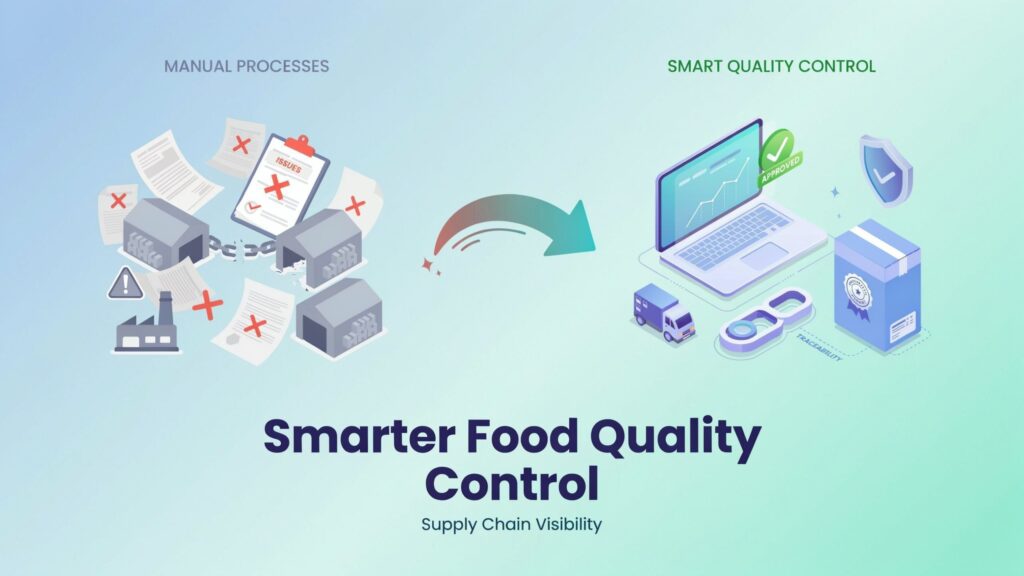
Quality issues can emerge long before a product reaches store shelves. Missing supplier records, delayed corrective actions, inconsistent inspections, and scattered documentation can make it difficult for food manufacturers to maintain control across their operations. As supply chains grow more complex, manual processes can leave teams with limited visibility into important quality data.
Companies need tools that connect quality activities across suppliers, facilities, warehouses, and distribution channels. Food quality management software helps centralize information, automate workflows, and support better decision-making throughout the supply chain. This article explores best practices for using software solutions to strengthen food quality management.
Centralize Supplier Quality Information
Supplier records are frequently stored across spreadsheets, emails, and shared folders. This can make it difficult for quality teams to verify certifications, review audit findings, or track supplier performance. A centralized software platform keeps supplier documents, approvals, corrective actions, and quality metrics in one location. When procurement and quality teams access the same information, supplier evaluations become more consistent and easier to manage.
Standardize Quality Processes Across Locations
Food manufacturers with multiple facilities may encounter differences in inspection procedures, documentation practices, and reporting methods. These inconsistencies can create challenges during audits and internal reviews. Quality management software helps organizations establish standardized workflows for inspections, audits, and nonconformance management. Teams can follow the same procedures regardless of facility location, which supports more consistent quality oversight.
Automate Corrective Action Workflows
Quality issues require timely responses. Manual follow-up processes can result in missed deadlines, incomplete investigations, or unresolved corrective actions. Software platforms can automatically assign tasks, notify responsible team members, and track progress through completion. This approach provides greater accountability and helps organizations maintain detailed records of issue resolution activities.
Improve Traceability Through Digital Records
When a quality concern arises, companies need quick access to production, supplier, and distribution records. Searching through paper files or disconnected systems can slow investigations. Digital traceability tools allow teams to connect suppliers, ingredients, production batches, and shipments within a single system. Faster access to information helps quality teams identify affected products and respond more efficiently.
Use Real-Time Data for Better Decisions
Quality leaders rely on accurate data to identify trends and prioritize improvement efforts. Reports created from disconnected sources may not provide a complete picture of operational performance. Food quality management software can consolidate audit results, supplier performance metrics, inspection findings, and customer feedback into centralized dashboards. This visibility helps teams identify recurring concerns and focus resources where they can have the greatest impact.
Software Features That Support Supply Chain Quality
Organizations evaluating quality management solutions should consider features that support day-to-day quality activities:
- Supplier qualification and approval management
- Audit scheduling and documentation
- Corrective and preventive action tracking
- Digital inspection forms
- Document control and version management
- Product traceability tools
- Reporting and analytics dashboards
These capabilities can help quality teams manage information more efficiently and maintain greater visibility across the supply chain.
Managing food quality across a modern supply chain requires more than periodic inspections and manual recordkeeping. Companies need systems that connect supplier management, traceability, corrective actions, audits, and reporting activities. By using software to centralize quality processes and information, organizations can gain better visibility into operations and support more consistent quality management throughout the supply chain.