The Role of Collectible Cards in Enhancing Gameplay
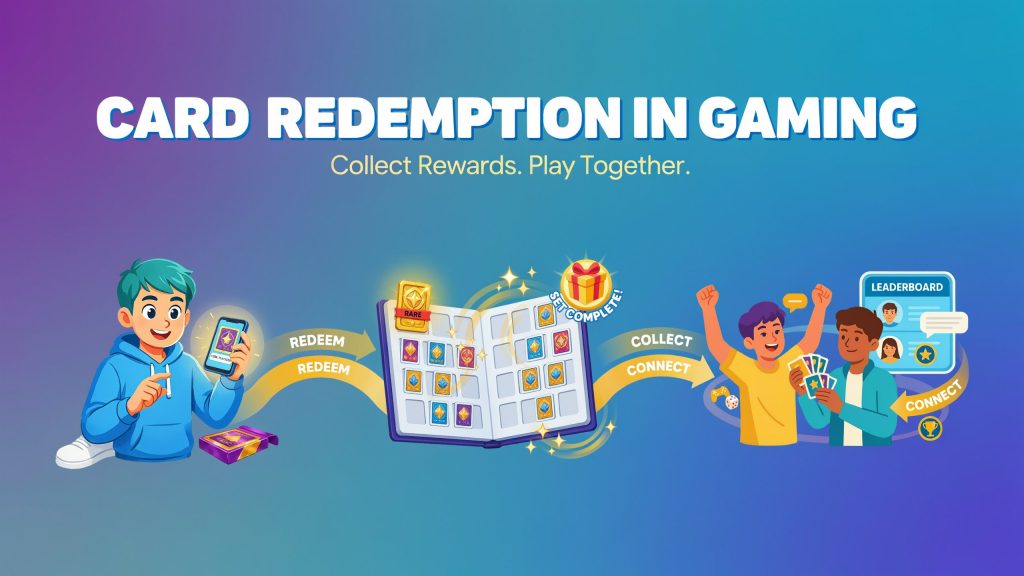
Collectible cards introduce dynamic, short-term objectives that complement standard gameplay, injecting variety and renewed motivation into player sessions. By offering tangible collection goals, these cards encourage players to explore different game modes and maintain interest over time. Distributed through events, purchases, or code redemptions, collectible cards create recurring moments of excitement and discovery for returning players.
On platforms like Albumza, players can redeem cards and play games to add unique collectibles to personalized albums. This unlocks additional layers of interaction, including themed challenges, displayable badges, and special animations that celebrate completed sets. Such features transform routine gameplay into a richer, more engaging experience.
Ultimately, collectible cards provide a steady stream of incentives that complement leaderboards, daily tasks, and social features. This layered approach to retention rewards both casual check-ins and dedicated collecting efforts, fostering sustained player engagement.
Influence of Redemption Systems on Game Design
Redemption mechanics empower designers to strategically link rewards with specific discoveries, events, or achievements, shaping how players prioritize their time and which game modes they explore. By associating cards with targeted activities, developers can encourage experimentation and maintain interest across a diverse range of mini-games.
Key Design Advantages:
- Skill Diversification: Rewards tied to particular outcomes motivate players to adopt varied strategies, enriching gameplay depth.
- Encouraged Exploration: Rare or themed cards exclusive to niche content prompt players to try less popular modes.
- Event-Driven Engagement: Time-limited card drops create communal excitement and activity spikes.
- Visible Progression: Collectibles act as clear markers of advancement, fostering social sharing and friendly competition.
- Integrated Platform Flow: Redemption features guide players fluidly between profiles, leaderboards, and social feeds, enhancing overall cohesion.
Collections as Catalysts for Social Interaction
Collections evolve into a form of social currency within gaming communities. Players compare albums, exchange tips, and celebrate rare finds through chats and forums, reinforcing group identity and generating fresh conversation topics. Showcasing rare cards on profiles or hall-of-fame pages elevates individual achievements into shared milestones.
This social dimension adds meaningful context to even casual mechanics, nurturing longer-lasting player relationships by transforming solitary accomplishments into cooperative goals and friendly rivalries.
Ensuring Fairness and Engagement Through Thoughtful Implementation
Maintaining player interest without causing fatigue requires careful pacing of card redemptions. Staggered releases and clear progression paths keep collectors engaged while avoiding overwhelm for casual players or dilution of rare rewards. Transparent rules and accessible redemption methods ensure newcomers can participate without barriers.
Developers often complement redemption systems with visible progress indicators, well-defined campaign durations, and shareable album pages. These elements boost motivation and trust by clarifying availability and eligibility, fostering a fair and inviting environment.
Varieties of Redemption Features and Their Impact on Players
Redemption mechanics encompass a spectrum of reward types, from cosmetic upgrades to unlockable challenges and temporary gameplay modifiers. Thoughtful segmentation allows designers to experiment with diverse incentives without disrupting core progression.
Temporary Modifiers
These limited-time gameplay changes encourage players to experiment with new strategies in a controlled setting, offering fresh experiences without compromising long-term balance.
Unlockable Challenges
Challenges linked to specific cards provide focused objectives that deepen engagement for dedicated collectors, often sparking community-driven strategies and guides.
Evaluating Redemption Features for Optimal Engagement
Assessing the effectiveness of redemption systems requires a blend of quantitative and qualitative metrics. Monitoring session frequency, collection completion rates, and social interactions alongside player feedback on fairness and enjoyment helps refine these features. Continuous iteration ensures alignment with player expectations and evolving preferences.
Summary: Successful redemption mechanics balance novelty with clarity, sustaining engagement across both casual and committed audiences.
Conclusion
Card redemption features significantly enhance social gaming by introducing meaningful goals, encouraging diverse gameplay, and fostering community connections through shared collections and conversations. When designed with thoughtful pacing and ongoing evaluation, these systems maintain player interest and support a spectrum of playstyles—from casual drop-ins to deep collector journeys.