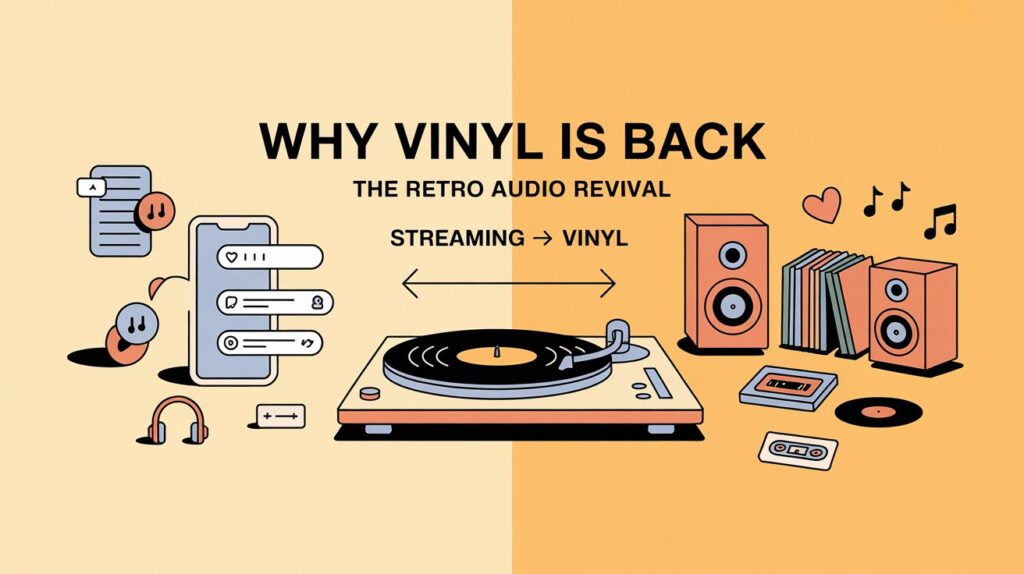
In a world dominated by streaming platforms, cloud storage, and wireless technology, many people assumed physical music formats would disappear completely. Yet vinyl records, cassette tapes, CDs, and retro audio equipment are experiencing a remarkable revival. Modern consumers are rediscovering the appeal of tangible music collections and classic listening experiences that feel more personal and meaningful.
This comeback is not simply about nostalgia. It also reflects changing consumer habits, growing interest in intentional entertainment, and a desire for authentic experiences in an increasingly digital world. From younger listeners discovering vinyl for the first time to longtime collectors upgrading their turntables, retro audio technology is once again becoming part of mainstream culture.
Digital Fatigue Is Driving Consumers Toward Physical Media
Streaming services offer convenience, but many listeners now feel overwhelmed by endless playlists, algorithm-driven recommendations, and disposable listening habits. Music has become easier to access than ever before, but some consumers believe the experience has lost its emotional connection.
Vinyl records and physical music formats encourage slower, more intentional listening. Instead of skipping songs after a few seconds, listeners often sit down and experience an album from beginning to end. This creates a stronger connection between the listener and the artist.
Modern consumers also spend large portions of their lives online for work, communication, and entertainment. As digital fatigue grows, many people are searching for offline hobbies and experiences that feel more grounding. Playing a vinyl record or organizing a music collection offers a break from screens and constant notifications.
Vinyl Records Offer A More Personal Experience
One major reason vinyl continues to grow in popularity is the physical experience itself. Holding an album, examining the artwork, and placing the needle on a record creates a ritual that streaming cannot replicate.
For many consumers, music is no longer just background noise. It has become part of home design, personal identity, and lifestyle culture. Vinyl collections often reflect someone’s taste, personality, and interests in a visible way.
Younger generations are especially drawn to this aspect of collecting. Many Gen Z consumers grew up entirely in the digital era, making vinyl feel fresh and unique rather than outdated. The experience feels authentic because it differs so much from modern streaming habits.
Collectors also appreciate limited-edition releases, colored vinyl variants, and exclusive packaging. These products add a sense of rarity and excitement that digital music cannot provide.
Retro Audio Equipment Combines Nostalgia With Modern Features
The return of vinyl has also fueled demand for retro-inspired audio equipment. Turntables, cassette players, receivers, and vintage speakers are becoming popular again among consumers who want both style and functionality.
Modern audio brands have found ways to blend classic aesthetics with updated technology. Many turntables now include Bluetooth connectivity, USB recording features, and wireless speaker compatibility while still maintaining a vintage appearance.
This combination appeals to both experienced audiophiles and casual listeners. Consumers enjoy the charm of retro equipment without sacrificing modern convenience.
Interior design trends have also contributed to the popularity of retro audio gear. Mid-century modern furniture, vintage-inspired décor, and minimalist living spaces pair naturally with turntables and vinyl collections. Audio equipment has become both a functional device and a decorative statement piece.
Social Media Has Helped Fuel The Vinyl Revival
Social media platforms have played a major role in bringing retro audio culture back into the spotlight. Vinyl collections, listening setups, and music rooms frequently appear on platforms like TikTok, Instagram, and YouTube.
Content creators often showcase rare records, unboxing videos, or aesthetically designed listening spaces. This visibility has introduced younger audiences to vinyl culture and made collecting feel trendy and accessible.
Music influencers and celebrities have also contributed to the resurgence. Many artists now release albums on vinyl alongside digital formats, sometimes offering exclusive tracks or artwork. Fans see vinyl ownership as a way to support artists while owning something memorable.
Communities built around collecting have further strengthened consumer interest. Online groups, marketplaces, and discussion forums allow collectors to share recommendations, trade records, and discover new music.
Consumers Are Investing More In Home Entertainment
Another reason retro audio technology is making a comeback is the growing investment in home entertainment. In recent years, consumers have spent more time creating comfortable and personalized living spaces.
People increasingly want experiences they can enjoy from home, whether that means building gaming setups, upgrading televisions, or creating dedicated music corners. Vinyl fits naturally into this trend because it encourages immersive listening experiences.
Unlike passive streaming, vinyl listening often becomes a focused activity. Many consumers describe it as relaxing and therapeutic. The warm sound, physical interaction, and slower pace create an atmosphere that feels different from digital entertainment.
Many retailers have also helped make vinyl culture more accessible by offering records (such as exclusive Sabrina Carpenter vinyl records), turntables, CDs, tapes, and collectibles in one convenient space. This accessibility makes it easier for both new and experienced collectors to explore retro audio technology.
Physical Music Collections Create Emotional Value
Modern consumers increasingly value products that feel meaningful rather than temporary. Streaming services provide access to millions of songs, but listeners never truly own the music they enjoy.
Physical collections create a sense of permanence and emotional attachment. Albums often become connected to memories, milestones, or important periods in someone’s life. Many collectors view records as personal keepsakes rather than simple entertainment products.
Gift-giving trends also support the vinyl resurgence. Records, vintage music gear, and collectibles feel thoughtful and unique compared to digital subscriptions or downloadable content.
This emotional value matters in today’s market. Consumers often prefer products that tell a story or create memorable experiences instead of purely functional purchases.
The Audiophile Community Continues To Grow
Sound quality remains another important factor behind the popularity of retro audio technology. Audiophiles often argue that vinyl offers a warmer and richer listening experience compared to compressed digital files.
While casual listeners may not always notice technical differences, many consumers enjoy the depth and texture associated with analog sound. High-quality speakers, amplifiers, and turntables allow listeners to engage with music in a more immersive way.
This interest in premium audio has expanded beyond dedicated audiophiles. More consumers now research headphones, speakers, and home sound systems as part of broader lifestyle and technology purchases.
As a result, retro audio equipment has become relevant not only to music collectors but also to tech enthusiasts interested in sound performance and home entertainment systems.
Vinyl Culture Reflects A Shift In Consumer Priorities
The comeback of vinyl and retro audio technology reflects broader changes in consumer behavior. Many people are becoming more selective about the products they buy and the experiences they value.
Convenience still matters, but consumers increasingly seek products that feel authentic, engaging, and emotionally rewarding. Vinyl records and retro audio gear provide a sense of connection that digital platforms often lack.
This trend also shows that older technologies can remain relevant when they offer something unique. Vinyl survived because it delivers an experience that modern streaming cannot fully replace.
As technology continues evolving, physical music formats may never dominate the market again. However, their growing popularity proves that modern consumers still appreciate tangible experiences, meaningful ownership, and intentional entertainment. In a fast-moving digital world, retro audio technology offers something many people have been missing: a deeper connection to music itself.