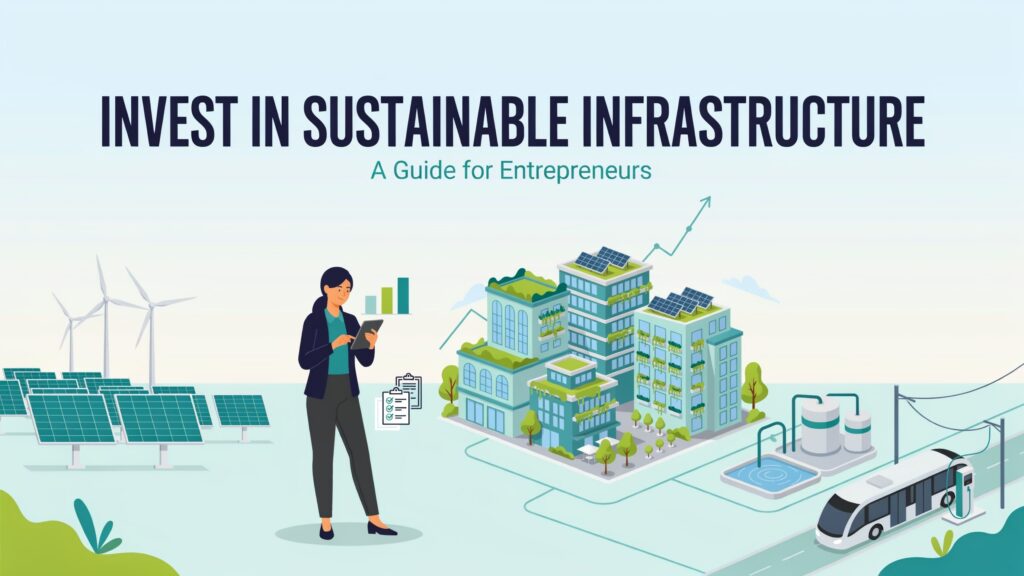
Sustainable infrastructure can help a business grow while using fewer resources. It includes buildings, energy systems, transport networks, and water projects designed to work well for years. These investments can support both local communities and long-term business goals.
For entrepreneurs, the challenge is knowing where to start. A promising idea still needs a sound budget, reliable partners, and a clear plan. Here are ways to approach sustainable infrastructure with confidence.
Find Projects That Solve Real Problems
Start by looking at what people and businesses need most. Some areas may struggle with unreliable power, poor drainage, or costly transport. Projects that address daily problems can offer lasting value.
Study the people who will use the service and what they can afford. Speak with local businesses and community groups before choosing a site. Their feedback may reveal needs that are easy to miss.
Think about how the project will work over time, not just when it opens. A water system needs ongoing care, while a solar project needs regular checks. Strong plans account for both construction and daily use.
Choose Partners Who Share Your Goals
Large projects often involve builders, lenders, suppliers, and public agencies. Each partner affects how well the work is done and how smoothly it moves forward. Choose people who can explain their role and meet clear standards.
Business leaders such as Wadie Habboush can be part of wider talks about infrastructure and investment. Every entrepreneur should assess potential partners based on proven skills, clear terms, and the needs of the project.
Ask for past project details and check how partners handle risks. Agree on deadlines, budgets, and who makes key decisions. Clear roles help reduce delays and protect working relationships.
Balance Upfront Costs With Long-Term Value
Green projects may cost more to build at first. Efficient equipment, durable materials, and skilled workers can raise the starting budget. Yet lower energy bills and fewer repairs may help offset those costs over time.
Compare the full cost of each option before investing. Include design, permits, repairs, and the expected life of the equipment. This gives you a better picture than the purchase price alone.
Set aside funds for delays and changes in material prices. You should also test whether the project remains viable if revenue grows slowly. A careful budget can prevent a good idea from becoming a financial strain.
Measure Results and Plan for Change
A sustainable project needs more than a green label. You should track how much energy, water, or money it saves in real use. Choose simple measures before work begins so you can compare results later.
Useful measures may include:
- Monthly energy use
- Water saved each year
- Routine repair costs
- Service downtime
- Customer feedback trends
Review these results on a regular schedule and share them with your team. If costs rise or equipment falls short, update the plan.
Build for Tomorrow, Starting Today
Sustainable infrastructure can create useful services while supporting steady business growth. The best projects start with real needs, careful budgets, and partners who deliver. Clear results help you know what works.
You do not have to fund a huge project on your first try. Start with a manageable plan and build on what you learn.
For more business ideas and practical guides, explore our other blog posts.