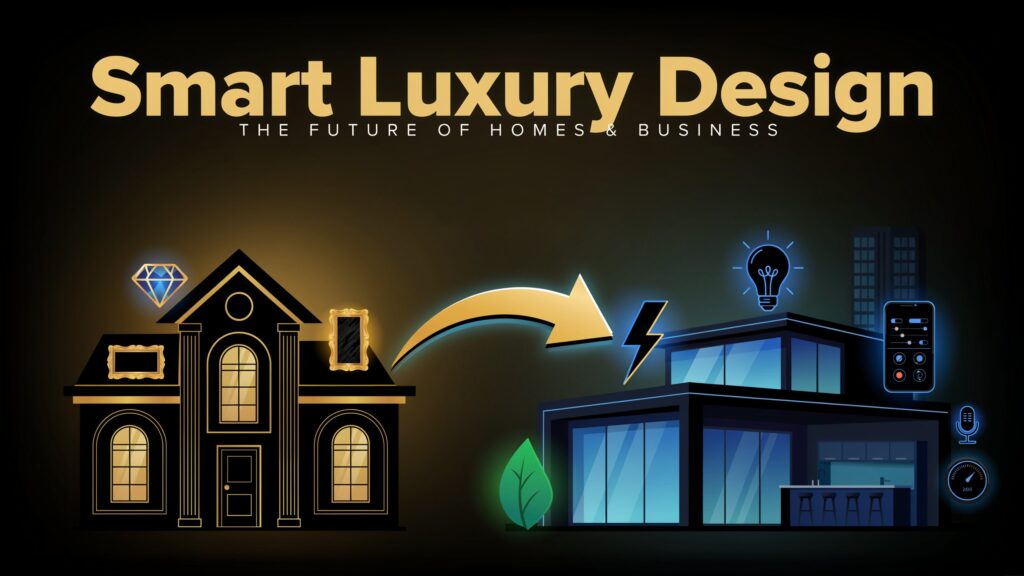
Luxury design has evolved far beyond aesthetics. Today, homeowners and businesses want spaces that combine beauty, functionality, sustainability, and smart technology. Modern consumers no longer see luxury as simply owning expensive materials or oversized rooms. Instead, luxury now reflects convenience, personalization, efficiency, and thoughtful craftsmanship.
This shift is changing the way architects, interior designers, and property developers approach both residential and commercial spaces. From intelligent kitchens to customized metalwork and sustainable materials, smart luxury design is creating environments that improve daily life while making a lasting visual statement.
As technology continues to shape the modern world, design trends are following closely behind. Homes and businesses are becoming more connected, adaptable, and experience-driven than ever before.
The Growing Demand For Intelligent Living Spaces
Modern consumers expect their spaces to work smarter. Smart thermostats, voice-controlled lighting, automated security systems, and energy-efficient appliances are becoming standard features in upscale homes and offices.
This growing interest in connected living has encouraged designers to create interiors that seamlessly integrate technology without sacrificing visual appeal. The challenge is no longer just about adding smart devices. It is about designing spaces where innovation feels natural and elegant.
Luxury kitchens are one of the clearest examples of this transformation. High-end homeowners are investing in custom layouts, hidden storage solutions, touchless fixtures, and multifunctional workstations that improve both convenience and efficiency. The kitchen is no longer simply a cooking space. It has become the social and technological hub of the home.
Businesses are embracing similar ideas. Restaurants, hotels, and office spaces now use smart design to improve customer experiences and operational performance. Intelligent lighting systems, automated climate control, and custom architectural elements help businesses create memorable environments while reducing energy costs.
Customization Is Becoming The New Standard
One of the biggest changes in luxury design is the shift toward personalization. Consumers want spaces that reflect their lifestyles, preferences, and values rather than following generic design trends.
Custom furniture, handcrafted finishes, and bespoke architectural details are becoming increasingly popular because they create a stronger emotional connection to a space. Homeowners want interiors that feel unique rather than mass-produced.
This demand for individuality has also increased appreciation for artisan craftsmanship. Materials like copper, stainless steel, reclaimed wood, and natural stone are being used in more creative and personalized ways.
Brands that specialize in custom metalwork and handcrafted fixtures have benefited from this growing trend. Some companies offer customizable island range hood options, sinks, bathtubs, and architectural pieces that combine functionality with luxury design. These types of statement features allow homeowners and businesses to create visually distinctive spaces without overwhelming the overall design.
Customization is especially important in hospitality and commercial design. Boutique hotels, luxury restaurants, and modern office spaces rely heavily on unique interiors to stand out in competitive markets. Thoughtful design has become part of the customer experience itself.
Sustainability Is Influencing Luxury Design Choices
Sustainability is no longer viewed as separate from luxury. In fact, environmentally conscious design is now considered a major part of premium living.
Consumers increasingly want products that are durable, responsibly sourced, and energy efficient. Designers are responding by incorporating recycled materials, sustainable manufacturing methods, and long-lasting craftsmanship into their projects.
This trend is particularly visible in kitchen and bathroom design. High-quality metal fixtures, energy-efficient appliances, and sustainable surfaces are replacing disposable or trend-driven materials.
Businesses are also recognizing the long-term financial benefits of sustainable design. Energy-efficient lighting, eco-friendly building materials, and improved insulation can significantly reduce operating costs over time.
At the same time, sustainability enhances brand image. Modern consumers are more likely to support businesses that prioritize environmentally responsible practices. Hotels, restaurants, and office spaces that invest in sustainable luxury design often attract customers who value both innovation and responsibility.
Technology And Craftsmanship Are Working Together
In the past, luxury craftsmanship and modern technology were often viewed as separate ideas. Today, they work together more closely than ever.
Advanced manufacturing techniques now allow designers and artisans to create highly customized products with greater precision and efficiency. At the same time, traditional craftsmanship continues to add warmth, authenticity, and artistic value.
This balance between innovation and craftsmanship is reshaping modern interiors. Smart appliances can now blend seamlessly into handcrafted cabinetry. Custom metal range hoods can incorporate modern ventilation systems while maintaining a timeless appearance. Intelligent lighting systems can highlight artisan materials and architectural details.
Consumers are increasingly drawn to this combination because it creates spaces that feel both modern and personal. Technology adds convenience, while craftsmanship adds character.
Businesses benefit from this approach as well. Retail stores, restaurants, and luxury offices use custom design features to strengthen branding and create immersive experiences for customers and clients.
Luxury Design Is Becoming More Experience-Driven
Another major shift in modern design is the focus on experiences rather than possessions alone. People want spaces that improve wellness, productivity, comfort, and social interaction.
This has changed the priorities of both residential and commercial design.
Homes are now being designed with relaxation and functionality in mind. Open layouts, natural lighting, spa-inspired bathrooms, and outdoor living areas help create healthier and more enjoyable lifestyles.
Commercial spaces follow similar principles. Modern offices prioritize employee wellness through flexible layouts, collaborative workspaces, natural materials, and improved air quality. Hotels and restaurants focus on creating immersive environments that encourage guests to stay longer and return more often.
Design is no longer simply about appearance. It is about how a space makes people feel.
This emphasis on experience has also increased interest in statement design elements. Custom lighting, handcrafted furniture, oversized range hoods, and architectural metalwork create memorable focal points that elevate the emotional impact of a space.
The Future Of Smart Luxury Design
As technology continues to evolve, luxury design will likely become even more personalized and integrated. Artificial intelligence, automation, and smart home ecosystems are expected to play larger roles in how homes and businesses function.
At the same time, consumers will continue to value authenticity and craftsmanship. This means future luxury spaces will likely combine advanced technology with natural materials, artisan details, and sustainable practices.
Businesses that understand this balance will remain competitive in a rapidly changing market. Consumers no longer want environments that are purely functional or purely decorative. They want spaces that improve everyday life while expressing individuality and sophistication.
The rise of smart luxury design reflects a broader cultural shift toward intentional living. People are becoming more thoughtful about how their environments influence comfort, productivity, wellness, and personal identity.
Whether in homes, offices, restaurants, or hospitality spaces, smart luxury design is transforming the way people experience the modern world. The future of design is not just about looking impressive. It is about creating spaces that feel intelligent, meaningful, and deeply connected to the way people live and work today.