Digital entertainment has become an important part of everyday life. From streaming platforms and mobile games to subscription services and online gaming, consumers can access an expanding range of services through their smartphones and computers.
However, greater accessibility also raises questions about consumer protection, data security, transparency, and regulatory oversight.
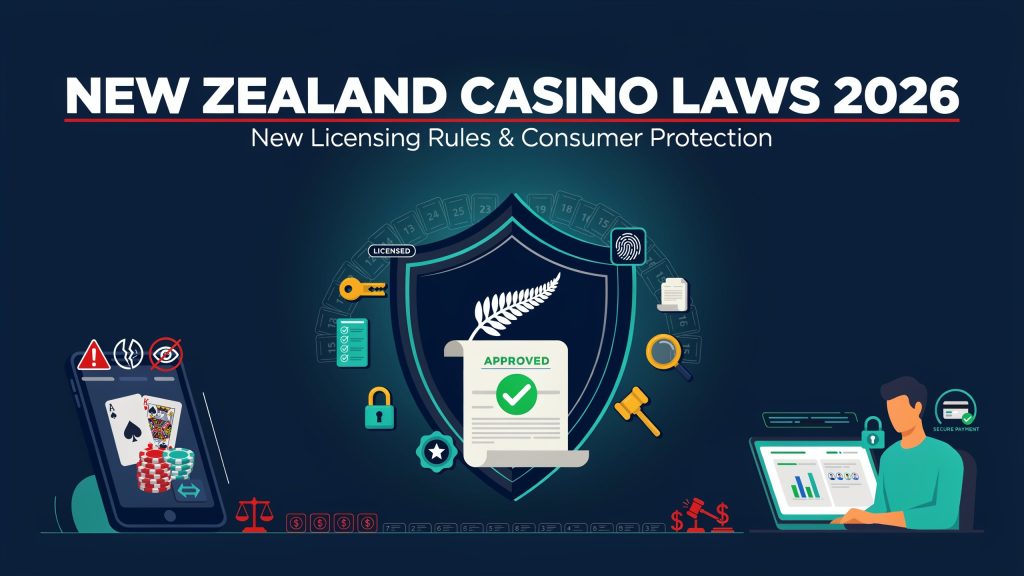
New Zealand is addressing some of these concerns through major changes to its online gambling laws. The Online Casino Gambling Act 2026 introduces a licensing framework designed to bring greater oversight to a sector that has historically included overseas operators serving New Zealand customers.
The changes offer a useful example of how governments are adapting consumer protection rules to the realities of digital entertainment.
Why Digital Entertainment Needs Stronger Consumer Protection
Online platforms have transformed the way consumers access entertainment.
Unlike traditional services that require physical visits or scheduled broadcasts, digital platforms are available around the clock. Users can register, make payments, and access content without leaving their homes.
This convenience creates opportunities for businesses and consumers, but it can also introduce risks.
Subscription services may include automatic renewals, mobile applications can collect personal information, and some digital platforms operate across multiple jurisdictions with different consumer protection standards.
These challenges become particularly important when services involve financial transactions.
Consumers need to understand who operates a platform, what protections apply, and which organisation is responsible if something goes wrong.
For governments, the challenge is to establish clear rules without ignoring the international nature of digital services.
New Zealand’s Online Casino Gambling Act 2026
One of New Zealand’s most significant recent developments in digital regulation is the introduction of the Online Casino Gambling Act 2026.
The legislation came into force on 1 May 2026 and establishes a framework for regulating online casino gambling.
Previously, New Zealand’s gambling laws restricted the domestic provision of online casino services, while overseas websites remained accessible to New Zealand consumers under a different legal framework.
The new legislation is intended to introduce licensing requirements, strengthen regulatory oversight, and establish clearer consumer protection obligations.
According to the Department of Internal Affairs, implementation is taking place in stages, with the fully licensed system expected to become operational in 2027.
This distinction is important. Although the legislation is already in force, it does not mean that all online casinos currently accessible in New Zealand have received licences under the new framework.
What Will Change Under the New System?
The legislation establishes a regulated market with a limited number of online casino licences.
The government has indicated that up to 15 licences will be available through a competitive process.
Operators seeking approval will be subject to regulatory requirements covering consumer protection, gambling harm prevention, and compliance.
The government has also introduced stronger enforcement mechanisms, including the possibility of substantial financial penalties for serious breaches.
According to an official government announcement, penalties for serious or persistent non-compliance can reach NZ$5 million.
The objective is to create a more accountable environment in which operators serving New Zealand consumers must meet defined standards.
Why Transparency Matters When Choosing Digital Platforms
One of the biggest challenges for consumers is determining whether an online service is trustworthy.
A professionally designed website does not necessarily indicate that a company is properly regulated or that its terms are fair.
This is why transparency matters across digital industries.
Before using an unfamiliar platform, consumers should be able to identify the company behind it, understand the terms of service, and find reliable information about payments and complaints procedures.
Comparison websites can support this research by presenting information about different services in one place.
For example, Casino.com New Zealand is an information and comparison platform covering online casino services and their features. It is not itself an online casino operator.
Such resources can help readers understand terminology and compare platform characteristics. However, reviews and comparisons should not replace independent verification of legal status.
As New Zealand’s licensing system develops, consumers will need to distinguish between general information about an operator and official confirmation that it meets the country’s regulatory requirements.
The Department of Internal Affairs plans to publish a public register of licensed online casino operators, giving consumers an official source for checking licensing status.
Consumer Protection Goes Beyond Licensing
Licensing is only one component of effective digital consumer protection.
Other important considerations include clear payment terms, accessible complaints procedures, protection of personal information, and safeguards against harmful behaviour.
In the online gambling sector, these protections are particularly significant because participation involves the risk of financial loss.
New Zealand’s new framework includes requirements intended to prevent and minimise gambling harm.
Licensed operators will be expected to meet regulatory standards, including measures relating to people experiencing gambling problems.
The government also plans to establish clearer procedures for consumers to raise complaints about licensed operators.
These measures are designed to make accountability more straightforward than in situations where consumers deal with overseas services operating outside a local licensing framework.
Nevertheless, regulation cannot eliminate every risk associated with online gambling. Consumers should continue to consider the financial implications of participating and seek support when gambling becomes harmful.
The Importance of Data Security in Online Entertainment
Consumer protection also extends to the handling of personal information.
Many digital entertainment services require users to create accounts, provide contact details, and submit payment information.
Depending on the service, additional information may be collected for identity verification, security, or regulatory compliance.
This makes responsible data management essential.
Consumers should look for clear privacy policies, secure account access, and transparent explanations of how their information is used.
Using unique passwords and enabling multi-factor authentication can also reduce the risk of unauthorised access.
New Zealand’s Office of the Privacy Commissioner provides guidance on privacy rights and the responsibilities organisations have when collecting and handling personal information.
While gambling regulation and privacy legislation address different issues, both contribute to a broader system of digital consumer protection.
What the New Rules Mean for Online Casino Operators
The new regulatory framework also creates significant changes for businesses.
Operators seeking to serve the New Zealand market will need to understand and comply with the country’s licensing and operational requirements.
This includes preparing for regulatory assessments, meeting consumer protection obligations, and following applicable advertising restrictions.
The transition is particularly important because the legislation does not introduce the full licensing system immediately.
According to the Department of Internal Affairs, existing operators that met the transitional conditions may continue providing services during the initial period, while new entrants are restricted.
From 1 December 2026, the framework provides for a narrower group of operators with the right to apply for licences to continue operating under specified transitional arrangements.
The Department expects formal licences to begin being issued in 2027.
These arrangements demonstrate why businesses and consumers need to follow official implementation updates rather than assume that the legal position remains unchanged throughout the transition.
How New Zealand’s Approach Reflects Wider Digital Trends
The move towards a regulated online casino market reflects a broader challenge facing governments worldwide.
Digital businesses frequently operate across borders, while consumer protection rules are generally established at national or regional levels.
This creates questions about licensing, accountability, taxation, and enforcement.
New Zealand’s approach attempts to address these challenges by establishing domestic regulatory requirements for online casino operators serving its market.
The same underlying principles are relevant to other digital industries.
Whether consumers are choosing financial applications, subscription platforms, online marketplaces, or entertainment services, they benefit from transparent information and clear avenues for resolving disputes.
The specific laws may differ, but the importance of accountability remains consistent.
Key Changes in New Zealand’s Online Casino Regulation
| Area | Development under the 2026 framework |
| Legislation | Online Casino Gambling Act 2026 came into force on 1 May 2026 |
| Licensing | Framework provides for up to 15 online casino licences |
| Implementation | Licensing system being introduced in stages |
| Consumer protection | Stronger regulatory requirements for licensed operators |
| Gambling harm | Specific harm prevention and minimisation obligations |
| Enforcement | Penalties of up to NZ$5 million for serious or persistent breaches |
| Public information | Planned official register of licensed operators |
| Expected licensing | Formal licences anticipated from 2027 |
These developments represent a significant shift towards greater regulatory oversight, although the practical effects will depend on how the system is implemented and enforced.
Frequently Asked Questions
Is online casino gambling now fully regulated in New Zealand?
The Online Casino Gambling Act 2026 is in force, but the licensing system is still being implemented. The Department of Internal Affairs expects the fully licensed regime to become operational in 2027.
How many online casino licences will New Zealand issue?
The new framework allows for up to 15 licences, subject to the government’s licensing process and regulatory requirements.
How can consumers check whether an online casino is licensed?
The Department of Internal Affairs plans to publish an official register of licensed operators. Consumers should rely on this register once available rather than treating promotional claims or third-party reviews as proof of licensing.
Does the new law apply to online sports betting?
Online sports and racing betting operate under a separate regulatory framework. New Zealand’s online casino reforms should not be confused with the rules governing those activities.
Why is consumer protection important for digital entertainment?
Digital entertainment platforms may involve financial transactions, personal data, recurring payments, or other risks. Clear rules and transparent information help consumers understand their rights and make informed decisions.
A New Chapter for Digital Consumer Protection
New Zealand’s Online Casino Gambling Act 2026 marks an important development in the regulation of digital entertainment.
By introducing a licensing framework, stronger enforcement mechanisms, and additional consumer safeguards, the government is seeking to establish clearer standards for online casino operators serving New Zealand customers.
The transition also highlights an important principle: digital convenience should be supported by transparency and accountability.
As more services move online, consumers need reliable information about the businesses they use, the rules that apply, and the protections available when problems arise.
New Zealand’s experience demonstrates how digital regulation continues to evolve alongside technology, with consumer awareness remaining an essential part of a safer online environment.