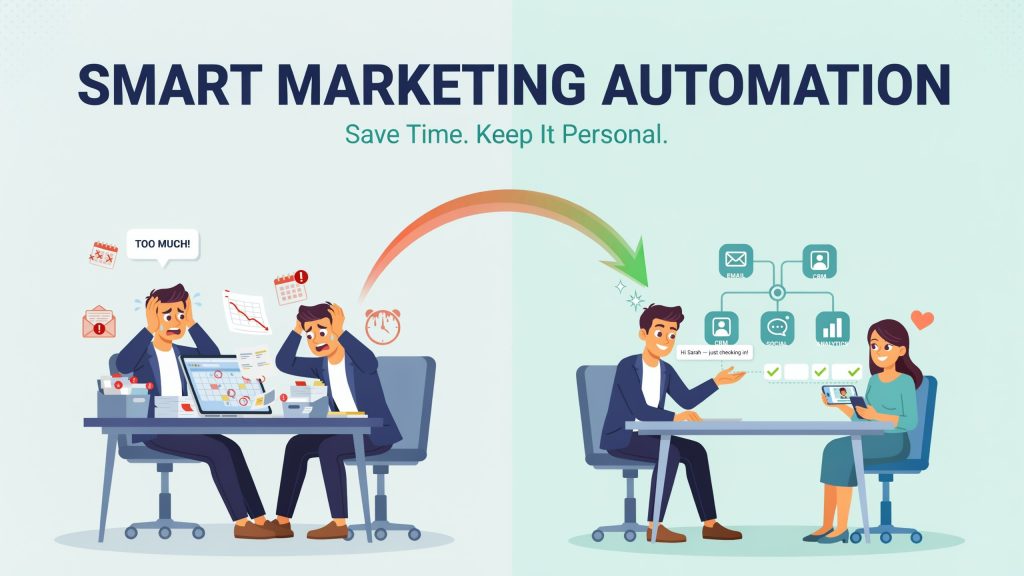
Marketing teams spend a lot of time handling repetitive tasks, from scheduling social media posts to sending follow-up emails and organizing customer information. While these activities are important, they can take time away from creating engaging content and building meaningful relationships with customers. AI workflow automation helps businesses handle routine marketing tasks more efficiently while giving marketers more time to focus on the personal side of their work. The key is knowing which tasks to automate and where a human touch still makes a difference. With the right balance, businesses can save time, stay consistent, and create customer experiences that feel genuine rather than robotic.
Identify Which Marketing Tasks to Automate First
Start by looking at the marketing tasks that take up a lot of time but follow the same process every day, such as scheduling social media posts, organizing leads, sending email reminders, and preparing campaign reports. Automating these activities can help your team work more efficiently without sacrificing the creativity and personal attention that make your marketing stand out. Focus on tasks where automation can genuinely make a difference, and keep activities that require emotional understanding or careful decision-making in human hands.
Understand Your Audience Before Automating
Before setting up automated marketing campaigns, take the time to understand who your customers are, what they need, and how they prefer to communicate with your brand. Use customer data, past interactions, and engagement patterns to send messages that feel relevant and helpful instead of generic or out of place. When you understand your audience first, automation becomes a way to build stronger relationships rather than simply sending more messages with less effort.
Personalize Automated Messages with Relevant Context
Personalized marketing goes beyond adding a customer’s name to an email because people are more likely to engage with messages that reflect their interests, needs, and previous interactions with your brand. Use details such as browsing behavior, purchase history, or past inquiries to make follow-up emails, product recommendations, and promotional offers more relevant to each customer. By giving automated messages a personal touch, you can make customers feel understood instead of making them feel like they’re receiving the same generic message as everyone else.
Keep Human Oversight in the Marketing Workflow
Leave some work to the humans while automation can take off some of your daily marketing activities, people are still needed to ensure your communications are correct and stay on-brand. Have your team check over the AI-driven content and take the reins when addressing customer complaints, navigating difficult questions, or delivering a human touch when required. This approach will keep your automation running smoothly without sacrificing customer understanding.
Choose Tools That Work with Your Existing Systems
Choosing the right marketing automation tools does not mean replacing every system your team already uses. The goal is to find solutions that fit your current workflow, reduce manual work, and make it easier to deliver a consistent customer experience.
Check Compatibility with Your Current Tools
Before you purchase a new automation platform, make sure it integrates smoothly with your current CRM, email marketing application, and analytics platform. When they talk to each other, your employees don’t need to key in the same data repeatedly and your customer records remain up to date. That makes your regular marketing activities simple and makes sure your customers get the right message at the right time.
Focus on Features That Solve Real Problems
With so many features to tempt us, it can be tempting to jump straight to the tool with all of the bells and whistles. Still, not every business needs everything. Think about, which business operations you find most time-consuming or frustrating, then find the business tools that can help you solve that particular problem. If you need any assistance in choosing the right business tools, AI consulting for small business can help you find the right business solutions that align with your mission, processes, and budget.
Make Sure the Tools Can Grow with Your Business
Your marketing needs may change as your customer base expands and your campaigns become more complex. Choose tools that can handle additional workflows, larger contact lists, and new integrations without forcing you to rebuild your entire setup. A flexible solution can save you time and money in the long run while giving your team room to experiment with new marketing strategies.
Keep the User Experience Simple
Even a powerful automation platform can create more problems than it solves if your team finds it difficult to use. Look for an intuitive interface, helpful documentation, and reliable support so everyone can learn the system without spending too much time on training. When your tools are easy to use, your team is more likely to adopt them consistently and focus on creating better marketing experiences for customers.
Build Automated Workflows Around Customer Journeys
Effective marketing automation should follow the customer journey, delivering the right message at the right time, from a customer’s first interaction with your brand to their eventual purchase and beyond. For example, you can set up welcome emails for new subscribers, follow-up reminders for interested leads, and post-purchase messages that help customers get more value from their purchases. Just remember to keep your messages relevant and well-timed, since sending too many automated communications can overwhelm customers instead of encouraging them to engage.
Protect Your Brand Voice and Customer Trust
Automation should make your marketing more efficient without making your brand sound generic or disconnected from its audience. Set clear guidelines for tone, language, and messaging so automated communications still reflect your brand’s personality, and make sure customer data is handled responsibly. When customers feel that your brand respects their privacy and communicates honestly, they are more likely to trust your business and build lasting relationships with it.
Conclusion
Automating repetitive marketing tasks can save time and help your team work more efficiently, but keeping your customer relationships personal should always remain a priority. With the right tools, thoughtful personalization, and human oversight, AI workflow automation can help your business deliver relevant messages without losing the genuine connections that make your brand stand out. Ultimately, the best approach is to let technology handle the routine work while your team focuses on understanding customers, building trust, and creating meaningful experiences.