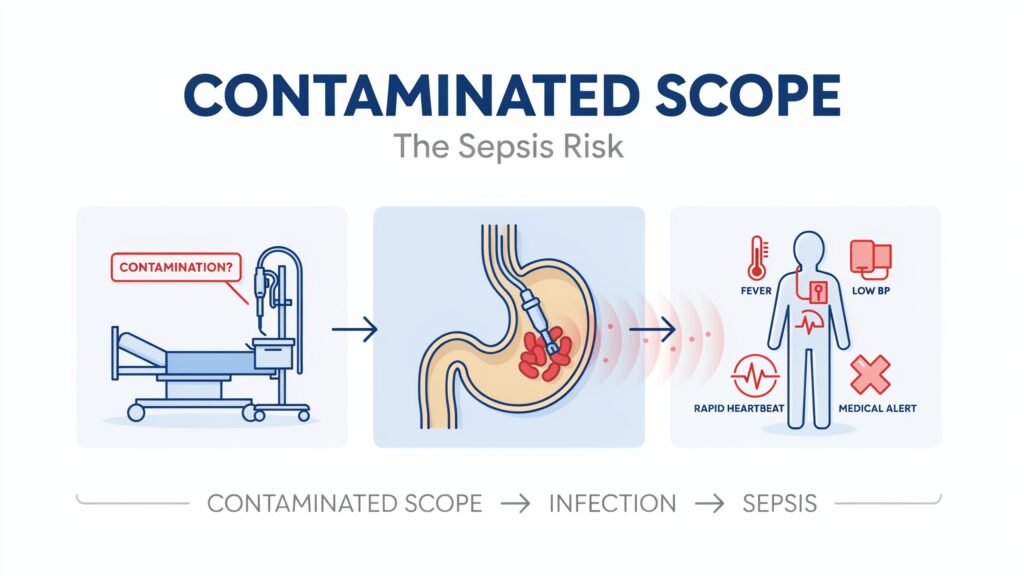
In October 2025, Olympus issued an Urgent Field Safety Notice admitting its reprocessing protocols were insufficient, disclosing two deaths and five serious infections linked to its duodenoscopes since 2024. That notice followed a June 2025 FDA import alert blocking around 58 Olympus devices manufactured in Japan due to ongoing quality violations. These are not new problems for the Midwest. Illinois was home to one of the first confirmed CRE outbreaks tied to a contaminated duodenoscope back in 2013, and a separate outbreak at a hospital in suburban Chicago infected dozens more. Hospital systems in St. Louis, Missouri, now run dedicated infection-tracking programs for endoscopy procedures, a direct response to years of scope-related outbreaks. Sepsis linked to these infections can carry a mortality rate approaching 50%.
For patients in Chicago and St. Louis alike, a routine scope exam should never turn into a fight for survival, especially now that Olympus itself has admitted its cleaning instructions fell short. Anyone considering an Olympus duodenoscope infection lawsuit deserves to understand how sepsis takes hold after a contaminated procedure and why the device design, not hospital error, may be to blame. The sections ahead explain how these infections spread and what recourse patients have.
The Hidden Risk
Duodenoscopes contain narrow channels, valves, and a moving elevator piece that can retain organic debris after use. Reports involving contaminated scopes have led families to review infection timelines, hospital notices, and past claim outcomes. The concern is practical, as fever or weakness may begin after discharge.
Why Cleaning Can Fail
The elevator mechanism helps guide instruments during a procedure. Its small hinge and recessed spaces can shield residue from brushes and disinfectant. Reprocessing teams may follow written steps carefully, but device shape can still limit contact. This gap matters when bacteria survive inside moisture or microscopic material.
How Bacteria Spread
If bacteria remain inside a scope, the next procedure can transfer them into sensitive anatomy. The bile duct and pancreatic duct are especially vulnerable. Once organisms reach tissue or body fluids, infection may advance beyond the original site. Additionally, drug resistance can make treatment decisions slower and more difficult.
Sepsis Starts Fast
Sepsis begins when an infection triggers an uncontrolled immune response. Blood vessels may widen, pressure can fall, and oxygen delivery may drop in this case. Early signs can seem ordinary, including fever, chills, rapid pulse, or unusual fatigue. But confusion, severe pain, clammy skin, and breathing trouble require immediate medical assessment.
Who Faces Higher Risk
Older adults have less physiologic reserve during severe infection. Patients with cancer, diabetes, liver disease, immune suppression, or recent surgery need closer observation. A blocked duct, implanted line, or open wound can increase vulnerability. People already hospitalized may find their health deteriorating more quickly because illness has reduced baseline strength.
Delayed Symptoms Matter
A person may leave the endoscopy unit alert, stable, and pain-free. That does not rule out later infection, though. Bacteria can multiply quietly before fever, abdominal pain, nausea, or weakness appears. Families should write down dates, temperatures, medications, and calls to clinicians. Timing often helps connect symptoms with exposure.
Resistant Germs
Some scope-related outbreaks saw bacteria resistant to several antibiotic classes. These organisms may require specialized cultures and adjusted drug therapy. Lab results can identify the strain, guide medication changes, and support isolation precautions. Infection control teams also use those findings to trace possible sources and protect other patients.
Hospital Response
A suspected contaminated scope event calls for quick coordination. Facilities may review cleaning logs, device identifiers, storage practices, and procedure schedules. Infection control staff can determine which patients need to be notified or tested. Clear communication helps exposed people seek treatment before low blood pressure, kidney injury, or respiratory failure develops.
Patient Records
Records often become the clearest map of what happened. Useful documents include the procedure report, discharge papers, culture results, imaging notes, antibiotic lists, and hospital bills. Patients should request copies early, while names and dates remain fresh (and easily available). Organized files help clinicians compare symptoms with the procedure timeline.
Legal Concerns
Device-related infection claims usually turn on evidence, not speculation. Reviews may include design history, cleaning instructions, staff practices, lab findings, and the patient’s course after exposure. Damages can involve intensive care, repeat admissions, lost wages, rehabilitation, and lasting organ injury. Careful documentation gives the review a stronger factual base.
Prevention Steps
Hospitals reduce risk through validated cleaning, drying, storage, staff competency checks, and device tracking. Audits can reveal any missed steps before patients are harmed. Some settings may use disposable components to reduce contamination points. Patients can ask how scopes are reprocessed, stored, and monitored for prior infection concerns.
When to Seek Care
Emergency care is necessary if, after a recent scope exam, fever is accompanied by confusion, faintness, blue lips, severe weakness, or breathing trouble. Sepsis treatment may include blood cultures, intravenous fluids, antibiotics, oxygen, and close monitoring. Waiting at home can allow organ injury to progress. Hence, seeking medical care is essential.
Conclusion
A contaminated duodenoscope can change a planned diagnostic or therapeutic exam into a serious infection. Sepsis is the central concern because the body’s response can quickly damage kidneys, lungs, brain function, and circulation. Patients should treat delayed symptoms as medically important, preserve records, and seek urgent care when warning signs appear. Hospitals are duty-bound to maintain strict reprocessing systems, investigate exposure, and promptly (and clearly) notify affected people.