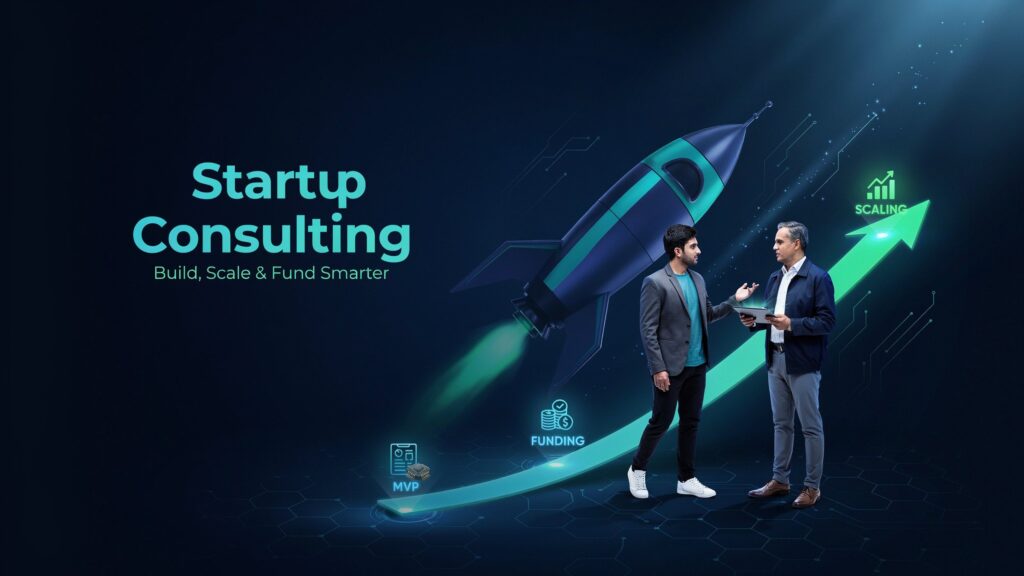
I’ve advised and worked with hundreds of startups at various stages — from pre-seed idea validation to Series A and beyond — across the US, Europe, Asia, Latin America, and the Middle East. The difference between those that thrive and those that struggle (or fail quietly) often comes down to making the right decisions early and having experienced guidance when it matters most.
In 2026, startup consulting has evolved significantly. It’s no longer just about writing a business plan or pitching investors. Today’s top consultants help founders navigate AI-powered tools, capital-efficient growth, global talent, regulatory complexity, and rapid market shifts.
This in-depth guide covers what effective startup consulting looks like in 2026, when and how to use it, what to expect from a good consultant, and how to maximize value while avoiding common pitfalls.
The Current Landscape for Startups
Funding is more selective. Investors demand stronger traction, clearer unit economics, and defensible moats. At the same time, AI tools, global talent pools, and modern no-code/low-code platforms have lowered the cost of building and testing ideas.
Founders face more options than ever — and more ways to make expensive mistakes. This is exactly where experienced startup consultants provide the highest leverage.
When You Should Consider Startup Consulting
Best times to engage consultants:
- Pre-seed / Idea stage (validation and MVP strategy)
- Preparing for seed or Series A fundraising
- Post-PMF scaling challenges (hiring, processes, go-to-market)
- Pivots or major strategic shifts
- Entering new markets or verticals
- Facing specific challenges (tech architecture, growth operations, compliance)
You probably don’t need consultants if:
- You’re in pure execution mode with strong internal leadership
- Your problems are very tactical and can be solved with in-house hires or staff augmentation
What Top Startup Consultants Actually Do
1. Strategy & Roadmap Development
- Help refine your vision into a focused, executable strategy
- Build realistic 12–24 month roadmaps
- Prioritize features and initiatives using data and market insights
2. Product & MVP Guidance
- Validate problem-solution fit
- Design capital-efficient MVPs and experimentation frameworks
- Advise on tech stack and architecture decisions appropriate for your stage
3. Go-to-Market & Growth Strategy
- Customer acquisition channel strategy
- Pricing and business model optimization
- Partnership and ecosystem plays
4. Fundraising Preparation
- Pitch deck refinement
- Financial modeling and projections
- Investor targeting and warm introductions
- Preparation for due diligence
5. Team & Operations Building
- Hiring strategy and org design
- Process implementation (without bureaucracy)
- Culture and leadership development
6. Risk Management & Governance
- Identify and mitigate key risks
- Compliance and legal considerations
- Cap table and equity strategy
How to Choose the Right Startup Consultant or Firm
Key evaluation criteria:
- Relevant experience — Have they worked with similar-stage startups in your industry or model?
- Track record — References, successful exits, or follow-on funding from their clients
- Hands-on vs. advisory style — Some roll up sleeves; others provide high-level guidance
- Network — Ability to make meaningful introductions (investors, talent, partners)
- Transparency and fit — Clear pricing, realistic expectations, and cultural alignment
Types of consulting options:
- Boutique firms specializing in startups
- Independent veteran founders/CTOs
- Accelerators / incubators with consulting arms
- Fractional CTOs or CPOs for ongoing support
Structuring a Successful Consulting Engagement
Best practices:
- Start with a short, well-defined discovery or pilot phase
- Set clear objectives, deliverables, and success metrics
- Schedule regular check-ins with actionable next steps
- Require knowledge transfer so your team builds internal capability
- Maintain strong founder ownership — consultants advise, you decide
Pricing models in 2026:
- Project-based (fixed scope)
- Retainer (ongoing advisory)
- Equity + cash (common for early-stage)
- Milestone/outcome-based
Common Mistakes to Avoid
- Hiring consultants too early without clear questions
- Expecting consultants to “run” your startup
- Choosing based on brand name rather than specific fit
- Failing to implement recommendations
- Over-relying on external advice instead of developing internal judgment
- Ignoring red flags in the consulting relationship
What Great Startup Consulting Deliverables Look Like
- Actionable strategy documents with clear prioritization
- Financial models that investors actually respect
- Tech and product roadmaps grounded in reality
- Refined pitch materials and investor Q&A preparation
- Post-engagement playbooks and processes your team can own
Real-World Impact Examples
AI SaaS Startup (US/Europe):
Worked with a consultant to refine positioning and build a capital-efficient go-to-market engine. Secured Series A at a strong valuation after 4 months of focused execution.
Fintech Startup (Asia):
Used consulting support for regulatory navigation and tech architecture. Successfully launched in two new markets while maintaining compliance.
B2B Marketplace (Latin America):
Received hands-on guidance on unit economics and growth channels. Achieved profitability and raised growth capital on favorable terms.
Final Thoughts
Startup consulting in 2026 is most valuable when treated as a strategic accelerator rather than a crutch. The best consultants don’t just give advice — they help you ask better questions, make faster decisions, avoid costly mistakes, and build lasting internal capabilities.
Founders who succeed long-term combine great instincts with the humility to seek expert input at key inflection points. They stay in the driver’s seat while leveraging external experience to see around corners.
If you’re at a stage where decisions feel high-stakes and you don’t have all the answers (most founders don’t), the right consultant can dramatically improve your odds of success — while saving you time, money, and unnecessary stress.
Choose carefully. Engage intentionally. Implement relentlessly.
The combination of a strong founder vision with experienced, practical guidance is one of the most powerful formulas for building successful startups in 2026 and beyond.