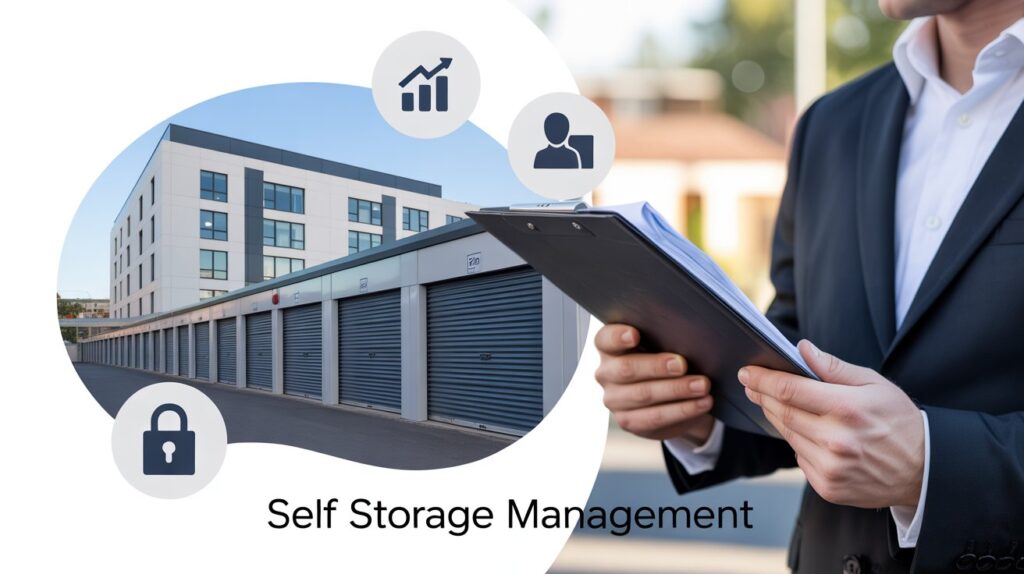
If you own or plan to buy a self storage facility, management is what makes or breaks your returns. Good locations help, but day-to-day operations, pricing, and customer experience are what actually drive profit.
This guide walks you through self storage management services in plain language, so you can decide whether to hire a management company or run things yourself—and how to choose the right partner if you do.
Why Professional Self Storage Management Matters
Running a storage facility looks simple from the outside. Doors, locks, rent. In reality, it is a moving machine with:
-
Calls, emails, and walk-ins from prospects
-
Online bookings and payments
-
Rent collection and late payments
-
Move-ins, move-outs, unit checks
-
Auctions and legal notices
-
Website, ads, reviews, and local SEO
-
Maintenance, cleaning, and security
-
Staff hiring, training, and supervision
As the industry modernizes, customer expectations keep rising. Tenants want to rent online, sign digitally, pay automatically, and access units without hassle. At the same time, you must follow strict lien and auction laws, manage risk, and keep costs under control.
For a single facility owner, this is a lot to juggle, especially if you have another job or live far from the site. You may struggle with:
-
Inconsistent pricing and fee policies
-
Slow responses to leads
-
Poor online presence
-
Weak tracking of income and expenses
For multi-location owners, the challenge changes. You need:
-
Standard processes across sites
-
Centralized reporting
-
Strong managers at each facility
-
A clear view of performance by site
Professional self storage management companies are built to handle all of this at scale. They bring systems, experienced teams, and proven playbooks to:
-
Increase revenue through smarter pricing and better marketing
-
Cut waste and improve efficiency
-
Protect you from legal and compliance mistakes
-
Free your time so you can focus on growth or other investments
What Are Self Storage Management Services?
Self storage management means handing over the day-to-day running of your facility to a specialist company. You still own the property. They operate it on your behalf.
Think of it like this:
-
You: own the land and buildings, get the net profit, carry the long-term risk and reward.
-
Management company: runs the business inside the walls—staff, pricing, marketing, collection, reporting, and more—for a fee, usually a percentage of gross income.
Typical self storage management services include:
-
Hiring, training, and supervising on-site or remote staff
-
Setting and adjusting rental rates and fees
-
Managing your website, online listings, and paid ads
-
Answering calls, emails, and online leads
-
Handling move-ins, move-outs, documents, and deposits
-
Managing late payments, notices, and lien sales
-
Overseeing maintenance, repairs, and vendor work
-
Providing monthly financial and performance reports
Some providers offer full-service management. Others offer “light” versions—consulting, marketing-only, or tech-focused packages.
Who Needs Self Storage Management Services?
Not every owner needs a management company. But many do, especially in these situations.
Single-Facility Owners
You may benefit from management if:
-
You live far from the property
-
You have a full-time job or other businesses
-
You don’t want to hire, train, and oversee staff
-
You feel unsure about pricing, marketing, or legal rules
A strong management partner can turn a single underperforming facility around by tightening operations and improving revenue.
Multi-Location Operators
As you add locations, the workload and complexity rise fast. You need:
-
Standard policies
-
Shared systems and software
-
Central oversight and reporting
Third-party management helps you run several sites with one central playbook instead of reinventing the wheel at each property.
First-Time Self Storage Investors
If this is your first storage project, management services can:
-
Guide you on unit mix, pricing, and lease-up plans
-
Set up software, website, and processes
-
Help you avoid legal and operational mistakes
You pay a fee, but you often reach stability and strong income faster, which can more than cover the cost.
Owners Looking to Scale or Stabilize
You may want management help if:
-
Occupancy is stuck or falling
-
Revenue is not matching market levels
-
Expenses seem high but you don’t know where to cut
-
You want to buy more properties and need to free your time
A management company can either stabilize what you already own or help you grow beyond being an “owner-operator.”
Core Services Included in Self Storage Management
Daily Operations Management
This is the backbone of what a management company does.
Facility staffing and supervision
-
Hiring and training managers and assistants
-
Setting work schedules and performance goals
-
Replacing underperforming staff
-
Managing remote support or call centers where needed
Office operations and customer service
-
Answering calls, emails, and online messages
-
Giving tours and closing rentals
-
Handling questions, complaints, and refunds
-
Selling locks, boxes, and other retail items if applicable
Standard operating procedures (SOPs)
-
Clear steps for every task: move-in, move-out, lock checks, cash handling, incident reports, etc.
-
Checklists for opening, closing, and daily walk-throughs
-
Documentation to make training faster and results more consistent
Well-run daily operations are what turn your property from “a set of units” into a real business.
Revenue & Pricing Management
Pricing and revenue are where top management companies often pay for themselves.
Dynamic pricing strategies
Instead of guessing rates, they:
-
Track demand for each unit size
-
Raise rates on high-demand units (for example, when occupancy for a size passes a certain level)
-
Run targeted promotions on slow-moving units
-
Use “good, better, best” pricing tiers on your website to nudge upgrades
Occupancy optimization
-
Watch occupancy and move-in/move-out patterns by size
-
Adjust rates and offers to keep key sizes in a healthy occupancy range—not too empty, not waitlisted everywhere
-
Manage rate increases for existing tenants carefully, with clear communication
Late fee and collections handling
-
Set up fair and legal late fee policies (late fees often around 20% of monthly rent, though state rules vary)
-
Send reminders by SMS, email, and phone
-
Move delinquent tenants through the lien process correctly, including notices and auctions
Done right, this keeps bad debt low while staying within the law.
Marketing and Lead Generation
A great physical facility with poor online presence will struggle.
Online listings and SEO
-
Managing listings on Google Business Profile and key directories
-
Building local backlinks and content to boost organic rankings
-
Keeping hours, photos, and details updated across platforms
Website and local search optimization
-
A fast, mobile-friendly website where tenants can see prices, reserve, and rent online 24/7
-
Clear calls to action and easy unit comparison
-
Local SEO so you show up when people search “storage near me”
Paid ads and promotions
-
Running and tracking Google Ads and social ads
-
Testing offers like “first month free” or “$1 move-in” with a clear cost-benefit view
-
Monitoring which keywords and campaigns actually turn into paid rentals
Customer Experience & Retention
Your best customer is often the one who stays longer—or comes back later.
Move-in and move-out processes
-
Simple online booking and digital lease signing
-
Clear access instructions and welcome messages
-
Smooth move-out with clear notice rules to avoid disputes
Tenant communication
-
Automated reminders for payments, access details, and promotions
-
Fast responses to questions and complaints
-
Friendly, helpful staff on-site or on the phone
Retention and loyalty strategies
-
Small gestures, like clean units and clear signage
-
Occasional targeted discounts or upgrades for long-term tenants
-
Proactive outreach if someone hints at leaving (for example, offering a smaller unit at a lower rate)
Mini Storage Management Services Explained
You will see both terms “self storage” and “mini storage.” In many markets, they are used interchangeably. In practice, mini storage usually means:
-
Smaller facilities
-
Smaller average unit sizes
-
Often older properties or more basic setups
Operational needs of smaller facilities
Smaller sites still need:
-
Good pricing and fee policies
-
Clear processes for rent collection and late accounts
-
Basic marketing and online visibility
The workload to manage the site (set up systems, train staff, handle legal processes) does not drop as much as revenue does, so management fees may be a higher percentage of income for small facilities.
Cost-effective management approaches
For mini storage sites, good management companies often:
-
Use more remote management, with part-time staff or kiosk systems
-
Focus hard on automation: online rentals, auto-pay, and remote access
-
Share back-office teams (call centers, bookkeeping, marketing) across many small properties to spread costs
Technology and Systems Used in Self Storage Operations
Modern self storage runs on technology. The global self storage software market is growing fast, expected to reach about 5.66 billion USD by 2035, with strong annual growth. That growth exists because tech gives you clear advantages.
Property management software (PMS)
Good self storage PMS helps you:
-
Track units, occupancy, and rent
-
Handle invoices and payments
-
Automate late fees and notices
-
Store leases and tenant records digitally
Online reservations and payments
Tenants expect to:
-
See available units and prices online
-
Reserve and rent a unit from their phone
-
Sign leases electronically
-
Set up auto-pay with card or bank account
Automation and reporting tools
Modern platforms also offer:
-
Automated emails and SMS for reminders and promos
-
Integration with access control so only paid tenants can get in
-
Dashboards showing revenue, occupancy, conversions, and trends in real time
Management companies usually bring their own preferred software stack and handle setup and training for you.
Facility Maintenance and Property Management
A clean, well-kept property does more than look nice. It:
-
Justifies higher rates
-
Attracts better tenants
-
Reduces damage and risk
Preventive maintenance
-
Regular roof, door, and gate checks
-
Servicing HVAC for climate-controlled units
-
Testing lights, cameras, and access systems
-
Scheduling seasonal checks instead of waiting for things to break
Repairs and vendor coordination
-
Getting bids from trusted contractors
-
Scheduling work to avoid blocking tenants
-
Verifying work quality before paying invoices
Cleanliness, safety, and curb appeal
-
Sweeping halls and driveways
-
Quickly clearing trash or abandoned items
-
Fresh paint, clear signage, and working lights
-
Landscaping and snow/ice control where needed
Good management will track these with checklists and regular inspections.
Security and Risk Management
Security is one of the first things tenants care about when choosing storage. It also protects you from claims and disputes.
Physical security systems
-
Strong locks and doors
-
Good lighting across the site
-
Fencing and controlled entry points
Access control and surveillance
-
Gate and door systems with unique codes or smart credentials
-
Camera coverage of driveways, entries, and hallways
-
Logs of who accessed the property and when
-
Integration between PMS and access control so unpaid tenants lose access automatically
Insurance coordination and liability reduction
Management companies help you:
-
Offer or coordinate tenant insurance programs (where allowed)
-
Document incidents with photos and reports
-
Follow lien and auction laws properly to avoid lawsuits
They also advise on lease wording and “facility rules” to make your responsibilities and limits clear.
Financial Management and Reporting
You cannot improve what you do not track. Good management turns daily activity into clear numbers you can trust.
Rent collection and accounting
-
Collecting rent through multiple channels (online, auto-pay, in-person)
-
Applying late fees and partial payments correctly
-
Reconciling bank deposits with PMS records
-
Tracking sales tax where required
Monthly and annual reporting
You should expect:
-
Monthly income statements (P&L)
-
Rent rolls and occupancy reports
-
Delinquency and write-off summaries
-
Cash flow snapshots
-
Year-end summaries to hand straight to your accountant
Budget planning and expense control
Management teams can:
-
Build annual budgets with expected income and costs
-
Benchmark your expenses (labor, marketing, utilities) against similar sites
-
Flag unusual costs or trends early so you can react
Compliance and Legal Considerations
Self storage is heavily shaped by state and local laws, especially around liens, auctions, and notices.
Lease agreements and tenant rules
-
Clear lease forms tailored to your state law
-
Defined late fees, lien rights, and auction rules
-
Rules on prohibited items, access hours, and behavior
-
Handling of abandoned property and personal papers
State and local regulations
Laws govern:
-
How and when you can charge late fees
-
The timing and content of default and lien notices
-
How auctions must be advertised and conducted
-
How leftover sale proceeds must be handled
Each state is different, and rules can change. Staying current is a big part of risk management.
Evictions, auctions, and lien laws
Unlike residential landlords, storage owners often use lien laws to enforce payment, not traditional eviction courts. You must:
-
Follow exact timelines from default to sale
-
Send the right notices to the right addresses
-
Advertise auctions as required
-
Keep records to prove you followed the law
Good management companies either have in-house legal teams or work with specialized attorneys and compliance tools.
Customization and Flexible Management Models
Not every owner wants or needs full-service management. Many companies now offer flexible models.
Full-service management
-
They handle everything: staffing, pricing, marketing, collections, maintenance, and reporting
-
You approve budgets and major changes, but they run the day-to-day
-
You pay a fee (often 5–10% of gross revenue, sometimes plus a cut of tenant insurance)
Partial or consulting-based services
Options can include:
-
Marketing-only support
-
Revenue/pricing consulting
-
Operations audits and setup
-
Training for your in-house manager
Tailored solutions for different ownership goals
For example:
-
An “absentee owner” package with heavy remote management
-
A “lease-up focus” package for new builds
-
A “turnaround” package for underperforming assets
You can often start with full-service and step back to lighter services once things stabilize.
Benefits of Outsourcing Self Storage Management
Here is what you usually gain when you bring in a solid management partner.
Reduced operational burden
You no longer have to:
-
Take tenant calls at all hours
-
Cover for staff who quit or go on leave
-
Learn the ins and outs of lien law from scratch
-
Babysit vendors and chase invoices
Improved revenue performance
Professionals bring:
-
Better pricing methods
-
Targeted marketing and digital campaigns
-
Tighter collections and fee policies
-
Systematic rate increases where the market supports it
Professional expertise without building your own team
Instead of hiring in-house:
-
Operations manager
-
Marketing specialist
-
Revenue manager
-
Bookkeeper
You tap into a team that already manages many facilities and has seen what works and what fails.
Challenges and Limitations to Be Aware Of
Outsourcing is not perfect. You should walk in with open eyes.
Cost considerations
-
Full-service management fees are often in the 5–10% range of gross revenue, sometimes higher for smaller facilities or during lease-up.
-
Some companies also keep part or all of tenant insurance revenue as part of their fee structure.
You must judge the fee against the extra income and reduced headaches.
Loss of day-to-day control
-
You will not make every small decision
-
You may feel removed from tenants and staff
-
The company’s standard processes might differ from your personal style
This can be good or bad, depending on your personality and goals.
Importance of choosing the right partner
A poor match can mean:
-
Weak communication and slow responses
-
Misaligned incentives (for example, they push occupancy at any price and hurt long-term revenue)
-
Poor handling of legal processes
That is why due diligence, references, and clear contracts are critical.
How to Choose the Right Self Storage Management Company
When you compare options, look beyond sales pitches and brand names.
Experience and track record
Ask:
-
How many facilities do they manage?
-
In what markets and at what sizes?
-
Can they show before-and-after performance examples (occupancy, revenue, NOI)?
-
Do they understand your type of facility (rural vs urban, drive-up vs multi-story, climate-controlled, etc.)?
Technology and systems
Check:
-
Which PMS and access control systems they use
-
Whether they offer online rentals, digital leases, and auto-pay
-
How strong their reporting tools and dashboards are
Transparency and reporting
You should expect:
-
Clear monthly financials and KPIs
-
Access to raw data if you want it
-
Clear explanations of fees and expenses
-
Openness to walk you through numbers
Client support and communication
Look for:
-
A clear account manager or main point of contact
-
Response time standards
-
Regular check-in calls or review meetings
-
References from current clients, not just past ones
Key Questions to Ask Before Signing a Management Agreement
Before you sign, get detailed answers to these.
1. Service scope and fees
-
What exactly is included in the base fee?
-
What is extra (marketing budget, major repairs, special projects)?
-
How are tenant insurance revenues handled?
-
Are there minimum monthly fees for small sites?
2. Performance metrics
-
What goals do they set for occupancy and revenue?
-
How do they measure and report success?
-
Are there any performance-based fee elements?
3. Contract flexibility
-
What is the contract term (1 year, 3 years, more)?
-
How often can terms be reviewed or updated?
-
Are there clauses for major market changes?
4. Exit options
-
How much notice is needed to terminate?
-
Are there penalties for early exit?
-
What happens to your data, website, and online accounts when you leave?
Getting clear, written answers helps you avoid surprises later.
Self Storage Management vs Self-Managed Facilities
You always have the option to manage the facility yourself. The right choice depends on your time, skills, and goals.
Cost comparison
-
Third-party management: usually 5–10% of gross rent, sometimes more for small or lease-up properties.
-
Self-managed: you save that fee but may need to pay for a full-time manager (often around 50,000 USD per year in some markets) plus benefits and training.
For smaller sites, third-party management may look expensive as a percentage. For larger sites, the fee is easier to absorb and negotiate.
Operational efficiency
A strong third-party manager brings:
-
Mature systems from day one
-
Trained staff and backup coverage
-
Proven processes and compliance knowledge
Self-managing means building your own playbook, which takes time and trial and error.
Growth potential
If you plan to own just one local site and be very hands-on, self-management can work well.
If you want:
-
Multiple locations
-
Remote ownership
-
A more passive role
Then third-party management often gives you more realistic growth capacity.
Real-World Use Cases
Here are typical scenarios where management services shine.
Single-facility turnaround
-
A 40,000-square-foot facility stuck at 70% occupancy
-
Weak website, no online rentals, poor reviews
-
No clear late fee policy or lien process
A management company steps in to:
-
Rebuild the website and add online rentals
-
Run local SEO and targeted Google Ads
-
Tighten late fee and lien processes within state law
-
Train staff on sales and customer service
Over 12–18 months, occupancy and average rates improve, lifting net income enough to justify the fee.
Multi-location growth management
-
An owner moves from 2 to 6 facilities
-
Personal time becomes the bottleneck
-
Each site uses different software and pricing
A third-party manager standardizes software, pricing rules, and reporting. The owner now sees portfolio-wide metrics and can focus on new deals.
Absentee ownership success stories
-
An investor lives in another state or country
-
They buy into storage for steady cash flow but cannot be onsite
With full-service management, they get:
-
Monthly reports and quarterly calls
-
Comfort that legal and operational rules are being followed
-
A clearer, more passive income stream (while still carrying ownership risk)
Common Mistakes Storage Owners Make Without Professional Management
If you decide to self-manage, you can learn from these frequent problems.
Underpricing units
-
Setting rates too low “to stay full”
-
Keeping the same prices for years while costs rise
-
Not raising rates on fully occupied unit sizes
Poor marketing visibility
-
Weak or outdated website
-
No online rentals or clunky booking steps
-
No local SEO or paid search strategy
Inconsistent operations
-
Different rules for different tenants
-
Irregular walk-throughs and unit checks
-
Loose cash handling and poor documentation
Weak customer service
-
Slow replies to calls and emails
-
Staff not trained to close rentals or handle complaints
-
Poor move-in and move-out experiences that hurt reviews
These gaps often leave money on the table and increase your risk.
Is Self Storage Management Right for You?
There is no one-size-fits-all answer. Use this section as a simple decision aid.
Quick decision checklist
Management services may be a good fit if:
-
You have limited time to manage daily operations
-
Your facility is underperforming compared to local competitors
-
You feel unsure about pricing, marketing, or lien laws
-
You want to buy more facilities and cannot run them all yourself
Self-management may fit you if:
-
You enjoy hands-on operations
-
You live close to the property
-
You are willing to learn the legal and operational details
-
Your facility is small and margins are tight
Red flags to reconsider outsourcing
Think twice about a specific company if:
-
They are vague about fees and what is included
-
They avoid giving recent client references
-
They will not give you clear monthly financial reports
-
They pressure you to sign long, inflexible contracts
When management services deliver the most value
You are likely to see the biggest payoff when:
-
The facility has obvious upside (poor marketing, weak pricing, sloppy operations)
-
The market has solid demand but the current setup is not capturing it
-
You plan to grow a portfolio and want to scale with systems, not chaos
Conclusion: Building a More Profitable Self-Storage Business
Self storage is not just about metal doors and concrete. It is about systems—how you price, how you market, how you treat tenants, how you control risk, and how well you understand your numbers.
Professional self storage management services exist to give you:
-
Stronger revenue through smarter pricing and better demand capture
-
Smoother daily operations with trained teams and clear processes
-
Lower risk by staying compliant with lien, auction, and fee laws
-
More time to focus on strategy, other businesses, or simply your life
Your decision is not “good or bad,” it is about fit. If you enjoy operations and want to be on-site, self-managing with the right software can work very well. If you want professional systems, less stress, and room to scale, the right third-party partner can be a powerful lever.
Take your time, ask hard questions, compare options, and insist on transparency. When you choose the right partner, you are not just hiring a manager—you are building a more stable, more profitable storage business that serves you for years to come.