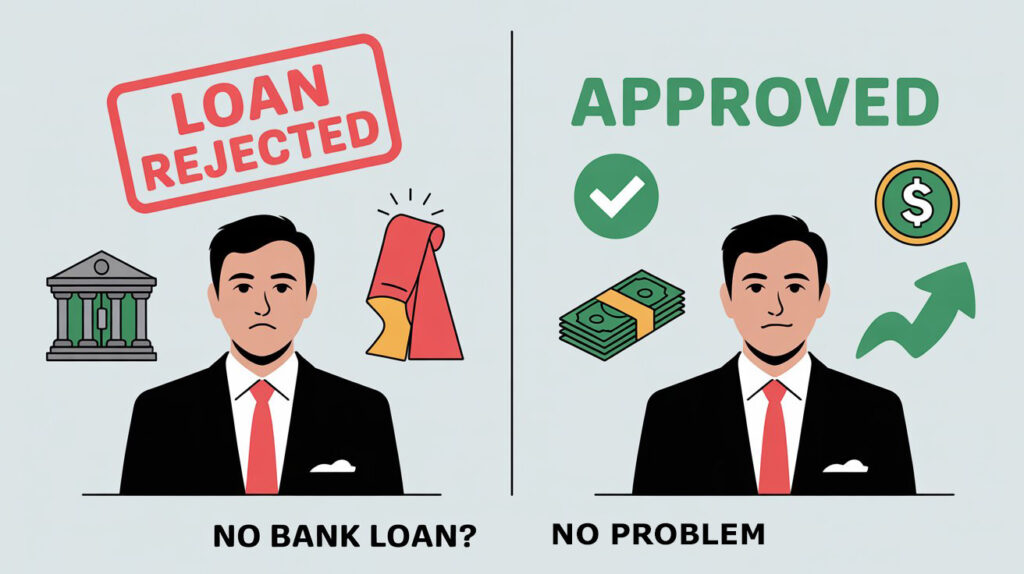
Fed up with bank rejections when trying to launch your business?
Traditional lenders like banks are risk-averse. They lend money to established companies with years of financial track records. They want to know you can pay that money back before they give you a loan.
But here’s the issue…
Most startups don’t have 3+ years of financial history. So where does that leave new entrepreneurs who need capital?
Enter micro-funding options designed specifically for startups like yours. Here are several ways to get approved and fund your business.
What Is Micro-Funding For Entrepreneurs?
Micro-funding covers a variety of smaller loans and financial options under $50,000.
Ideal for entrepreneurs that need to secure some money to operate their business but don’t want to take on major debt. Whether it’s a few hundred dollars to purchase supplies…or a few thousand dollars to buy equipment.
Micro-financial options can help fill that void.
The installment loan application process for most of these options is also much easier than dealing with traditional banks. Many entrepreneurs will even start out with a small installment loan for $200 to test the waters before applying for more. This allows you to establish repayment history with these lenders while taking care of smaller business expenses.
That’s important because
The latest data from Credit Suite shows only 44% of loan applicants were fully approved by larger banks in 2024. That means over HALF of entrepreneurs who applied for loans got rejected or partially funded!
Micro-funding options help change that narrative by making it easier and faster to get approved for the funding you need.
Apply For An Installment Loan: Step By Step
If you’re set on taking out an installment loan, knowing the process will help you get approved.
One of the biggest differences between traditional and micro-loans is the simplified application process. Here is what lenders are typically looking for when you apply:
You’ll need to provide some basic documentation, like
- Who you are
- What your business does
- Your bank history (usually 3-6 months worth of statements)
- Evidence you’ll be able to repay the loan (pay stubs or revenue projections)
Micro-loans have more flexibility in who they will lend to. Many alternative lenders look at additional factors other than your credit score. Giving entrepreneurs with little to no credit history a chance to apply.
Here’s another fun fact…
The FDIC’s 2024 Small Business Lending Survey revealed only 39% of banks can approve a simple and small loan request the same business day it’s submitted. That’s right before your eyes!
Online lenders typically have an even quicker turnaround. Some decisions are given in hours with the money deposited in a couple of days.
Where Can Entrepreneurs Find Micro-Funding?
Not all micro-financial options are created equally. Each has their benefits and drawbacks. It’s important to know what lenders are out there when starting your search.
SBA Microloans
The Small Business Association has a microloan program for startups and small businesses looking for less than $50,000.
According to the SBA, the average SBA microloan is $13,000. These loans are dispersed through nonprofit community organizations who partner with the SBA.
Benefits of this program include
- Lower interest rates in the range of 8% to 13%
- Up to six years to repay the loan
- Access to business and financial training
These loans are targeted towards underserved business owners including women and minority business owners. If that’s you, this microloan could be right for your business.
Online Microlenders
Peer-to-peer online lending has come a long way in the last decade.
Online lenders use technology to make the application process smoother and quicker. Many specialize in lending to those with little to no credit history or low credit scores.
Here are some popular online microlenders:
- Kiva – Crowdfunded loans from peers
- Accion Opportunity Fund – Lending to diverse entrepreneurs
- Grameen America – Loans specifically for women entrepreneurs
Online lenders typically require less documentation up front than traditional banks. The downside? Interest rates tend to be higher. Be sure to calculate your total repayment amount before signing any agreements.
Community Development Financial Institutions
CDFIs are alternative financial institutions that focus on specific communities.
Community development institutions typically serve low-income neighborhoods, rural areas, and other communities traditional banks may ignore.
Since CDFIs have a mission of serving these communities, they usually offer more than financial capital. Business advice, financial literacy coaching, and networking opportunities are common.
Peer-To-Peer Lending
Peer-to-peer lending allows you to receive money directly from individual investors.
Sites like Prosper allow entrepreneurs to create a profile for their business. Investors can either fund your entire loan amount or part of it.
Here’s how it works
- Create an account and tell your business story
- Specify the amount of money you want to borrow
- Investors decide whether or not they want to help fund you
- If you hit your goal, you get the funds
If you have a good story to tell and plan to repay your investors, you’ll find people willing to help your business.
Friends And Family
Loan requests don’t always have to come from banks and investors. Friends and family can be great resources to tap into as well.
THE key with friends/family loans is to document everything. Create a contract that lays out terms just as you would with a bank loan. This ensures everyone is on the same page and you can avoid any miscommunications.
Tips To Get Approved For Micro-Funding
No matter which route you choose to get micro-funding for your business, you can increase your chances of approval by being prepared.
Review your credit report. Pre-screening yourself ahead of time doesn’t hurt. Many alternative lenders are more flexible with your credit score. However, if you know where you stand credit-wise, you’ll be able to find lenders who best match your needs. Apply to loans you know you’ll qualify for.
Have a business plan. You don’t need 50 pages filled with business jargon. Simply explain what your business does, who your customers are, and how the loan will be utilized.
Pull your documents together. Have bank statements, tax returns, ID copied and ready to upload or send ahead of time. The last thing you want is for your application to be delayed because you’re still waiting for your partner to find their driver’s license.
Start small. Taking out a small loan and repaying it properly allows you to build a reputation with these lenders. They’ll be more apt to give you a larger loan in the future because you’ve proven you can pay the money back.
Be picky about where you apply. Take time to research lenders. Find out what their lending requirements are and make sure you match up with those needs. Every time you apply for a loan your credit gets dinged. Choose wisely and apply where you know you qualify.
Wrapping It All Up
Micro-funding lets entrepreneurs get the funding their business needs.
Between SBA loans, online lenders, and CDFIs there are plenty of options to consider when starting your search. Applying for an installment loan through these lenders is also a much simpler process than conventional banks.
Let’s review
- Micro-funding consists of many different loan options under $50,000
- These lenders take into consideration more than your credit score
- Certain SBA loans have low-interest rates and long repayment times
- Online lenders make the application process faster and more efficient
- Being prepared can help you get approved
Just remember not all micro-funding options are right for you. Do your research on different lenders and see what you qualify for