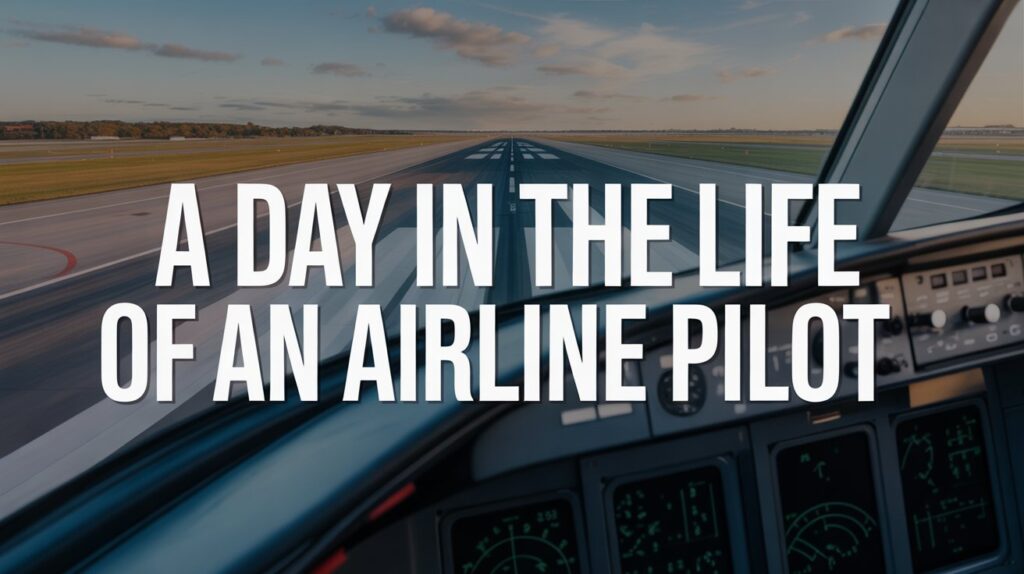
Many wonder about the daily routine of those who fly commercial aircraft. Airline pilots hold a job that appears glamorous yet involves significant responsibility. Schedules, regulations, and a strong commitment to safety shape their lives. Understanding a typical day reveals both the excitement and the demands of this profession.
Starting the Day
The life of an airline pilot is usually hectic. Their day begins early. In some cases, they have to be at the airport before the sun has risen. They begin with a flight plan and the weather. Crew members verify prescribed safety reports with the correct documents. The ensuing tasks initiate the process of ensuring a safe journey.
Pre-Flight Procedures
Pilots conduct a thorough examination of the aircraft before boarding passengers. That quick visual inspection also identifies any problems before flight. While engineers and ground staff assist this process, the power of the captain comes with the responsibility. During this phase, communication between the cockpit and the ground crew remains critical.
Briefings and Coordination
Pilots meet with other crew members inside the terminal. They cover the flight path, details regarding the individuals on board, and any special considerations for the flight. Everyone is responsible for making sure that there are no hiccups in the operation. Clear communication forms the trust and team spirit before takeoff.
Flight Deck Preparation
When they board the airplane, the pilots move into the flight deck and start setting up equipment. They go over navigation systems, altitudes, and emergency procedures. Precision counts, as getting it wrong can affect the overall operation. These tasks are shared between the captain and the co-pilot in order to establish consistency and safety.
Passenger Boarding
Pilots monitor the passenger boarding process from the cockpit. The pilot will coordinate with the cabin crew to make sure everyone is seated and all carry-in bags are secured properly. Passengers may hear from the captain on the intercom, bringing them comfort and reassurance about the flight. Announcements made in an unhurried, lucid manner put travelers at complete ease.
Taxi and Takeoff
Air traffic control gives the pilots clearance once they have completed all their end-of-the-line checklists, and pilots do everything else needed to get into the air. The aircraft then taxis over to the runway, only moving where instructed. They receive takeoff clearance, and the crew applies the power, lifting the plane cleanly off the ground. These are crucial times, where focus and teamwork continue to be important.
Cruising at Altitude
The airplane ascends up to cruising altitude after takeoff. Pilots followed their devices, tinkered with the controls, and exchanged chatter with air traffic controllers. Quick decisions may be required to avoid weather, turbulence, and other factors. When not busy flying the controls, pilots either review checklists or prepare for the next flying phase.
Dealing with Challenges
Bad weather conditions, technical faults, or passenger issues require immediate attention. For pilots, training and experience help keep problems at bay directly and keep them calm as well. Co-pilots and cabin crew offer support to mitigate potential obstacles.
Approach and Landing
When the destination is close, pilots will receive updated instructions from ground control. They alter the course of their flight and are ready to land. Landing requires full concentration, as conditions can change in an instant. This phase is where smooth landings happen as a result of careful planning and great piloting.
Post-Flight Duties
Once they arrive, pilots need to do several things before they can leave the cockpit. They log flight information, enter any discrepancies, and debrief with crew members. Ground staff are contacted and kept updated on the aircraft’s preparation for its next duty. These responsibilities keep quality standards high and help keep passengers safe.
Rest and Recovery
Rest is vital for pilots. You cannot fly within 48 hours of a long-haul flight, and there are strict rules around how long you must have to sleep and relax between flights. Most go differently, having time away from home and staying in hotels between flights. Adequate rest ensures vigilance and decision-making without risk during the next flight.
Balancing Work and Life
Being an airline pilot involves rewards and sacrifices. Maintaining a personal routine is nearly impossible due to the regular absences from family and the constant changes in schedules. Even though the job is demanding, many find fulfillment in travel, adventure, and being able to explore new places.
Conclusion
A pilot’s day involves preparation, teamwork, and the requirement for flexibility. All these steps work silently in the background to make your journey safe and sound. “Glamorous” is a deceptive word for appreciating man-hours at each level of the routine.