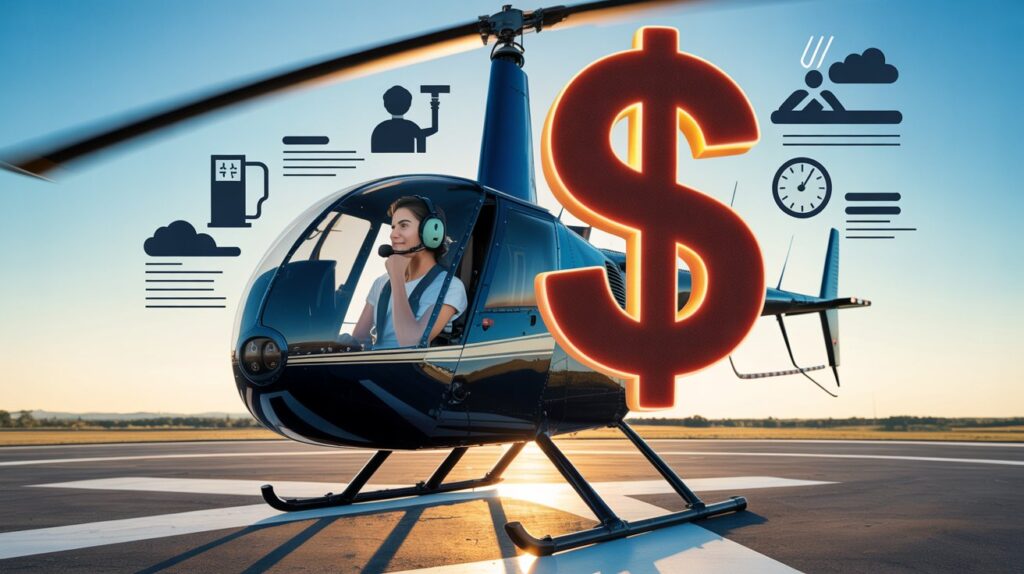
Flying a helicopter is thrilling to learn, but why does it have to be expensive? There are many reasons for this type of training being more expensive than other courses. Learning about these factors can help aspirants map out their educational plans with more certainty and confidence. Let’s discuss pilot training in greater detail in this post.
The Type of Helicopter Used
Training is usually conducted in smaller, more basic helicopters. New helicopters lead to low hourly rates due to lower fuel burn and lower maintenance. More sophisticated models are, however, more costly to run. Factors like airframe type, engine, avionics, and age of the machine can also affect how high or low the helicopter pilot training cost will be for students
Instructor Experience and Qualifications
The flight instructor’s background influences pricing more than anything else. Some instructors, those with advanced certifications or thousands of flight hours, charge a higher fee to train students. Though learners pay a little more for this expertise, the extra cost is sometimes justified due to improved safety or better teaching during flight lessons.
Fuel Prices and Location
Fuel expenses fluctuate, impacting the hourly cost incurred to operate a helicopter. Training centers in regions where fuel is expensive may pass on these costs to students. Additionally, urban areas often incur higher facility fees due to increased real estate rates, while rural schools might offer more affordable options.
Training Program Structure
Accelerated programs take place on a more intensive schedule within a shorter duration, meaning students will be taking classes more often. While this method takes less time to train overall, the compressed timetable can sometimes lead to higher upfront costs. Some training courses can be completed at a slower pace, spreading the costs, but increasing the overall duration.
Number of Flight Hours Required
Regulatory bodies have set certain minimum flight hour requirements for professionals who want to acquire a helicopter pilot license. It takes most students extra hours to become fully competent. Such additional time spent training in the cockpit adds up quickly, over and above the costs incurred due to delays on account of weather, skill development, or personal progress.
Ground School and Classroom Instruction
Flight training also involves ground training. At ground school, students learn about things such as meteorology, navigation, and regulations. Tuition for these classes varies based on services and materials used. In some schools, these are included in the overall package, while in others they are charged separately.
Insurance and Safety Fees
Any flight school you consider should consider safety its highest priority. Insurance premiums are a big part of training providers’ operating costs. These costs are typically included, and students pay for insurance in case unforeseen incidents occur during flight lessons in the air.
Equipment and Materials
Trainees require access to far more than helicopters. The total equipment includes items such as headsets, books, charts, uniforms, etc. Some schools include a few things for free in the first payment, while others charge students separately for some of the items. The cost of these materials varies as it depends on quality and brand.
Testing and Certification Fees
Acquiring a pilot’s license requires passing written tests and practical exams called checkrides. This assessment comes with a set fee, which is payable to government agencies and designated examiners. These costs are typically unrelated to the cost of lessons, and candidates must budget for this separately.
Weather and Scheduling Factors
Lesson disruptions due to unpredictable weather lead to rescheduling, which means more training hours may be required, along with spending a longer time on the ground. Students may require additional sessions in areas prone to bad weather in order to meet the training requirements. Long periods of training can slowly increase the training costs.
Demand for Helicopter Pilots
Careers as a helicopter pilot are popular, which means fewer instructors are available, and schools charge higher prices, too. Where such courses are in high demand, fees and costs can increase as training slots are limited. In some places, competitors may offer more attractive pricing since they want to attract students to join their pilot training institute.
Conclusion
Pilot training costs can vary greatly based on the equipment used, the level of instructor experience, certain economic factors, and the rate at which students progress during training. Learning about the factors that impact costs can help aspirants make better decisions and prepare for this financial investment in their education and their future. Planning and researching various institutes and their costs can help students select the right course that meets their educational goals and budgetary requirements.