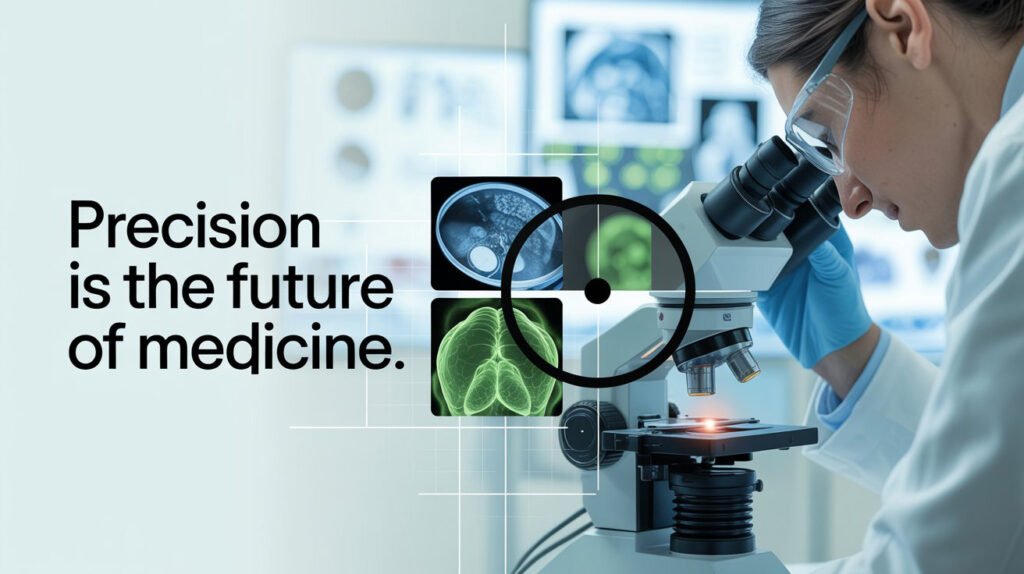
Medical research has always relied on careful observation, rigorous methodology, and meticulous data collection. However, in recent years, the demand for precision has intensified across the healthcare and scientific community. As diseases become more complex and treatment options increasingly personalized, researchers must ensure that every measurement, analysis, and interpretation is accurate to deliver reliable results that can truly impact patient care.
Precision and Its Role in Modern Medicine
Precision in medical research goes beyond simply obtaining accurate numbers. It involves the careful design of studies, the use of validated tools and instruments, and the standardization of processes to minimize variability. When precision is prioritized, researchers can identify subtle trends and correlations that may otherwise be overlooked. This capability is particularly crucial in fields like oncology, neurology, and cardiology, where early detection and nuanced understanding of disease mechanisms can dramatically improve outcomes.
Moreover, precise research underpins evidence-based medicine. Clinical guidelines, treatment protocols, and policy decisions all depend on data that is both reliable and replicable. Without precision, even the most well-intentioned studies risk producing misleading conclusions, which can have serious consequences for patient safety and healthcare effectiveness.
Advances Driving Precision in Research
Recent technological advancements have significantly enhanced the precision of medical research. High-resolution imaging, molecular diagnostics, and automated data analysis tools allow scientists to gather and interpret data with unprecedented accuracy. For instance, imaging techniques now provide detailed insights into cellular and tissue-level changes, enabling researchers to track disease progression and assess treatment efficacy more effectively than ever before.
Additionally, the integration of big data and artificial intelligence in research helps identify patterns across vast datasets that would be impossible to detect manually. These tools enhance precision by reducing human error and improving the consistency of analyses, which is vital in large-scale clinical trials.
The Impact of Precision on Clinical Trials
Clinical trials represent one of the most visible areas where precision has become essential. Accurate patient selection, dosing, and outcome measurement all depend on meticulous attention to detail. Even small inconsistencies can skew results, leading to false conclusions about a drug’s safety or effectiveness. By emphasizing precision, researchers can design trials that are not only scientifically robust but also ethically responsible, ensuring participants receive interventions that are both safe and potentially beneficial.
Organizations that specialize in high-quality data management and analysis play a pivotal role in this process. For example, partners like Perceptive offer core imaging services that standardize and validate imaging data for research purposes, allowing studies to produce reliable and reproducible results. By collaborating with such experts, researchers can focus on innovation while maintaining the rigorous standards required for precision medicine.
Challenges in Achieving Precision
Despite its clear benefits, achieving precision in medical research is not without challenges. Variability in patient populations, environmental factors, and even differences in laboratory equipment can all affect study outcomes. Researchers must be vigilant in controlling these variables and designing experiments that account for potential sources of error.
Training and expertise also play a critical role. Skilled researchers and technicians are needed to operate sophisticated equipment, interpret complex datasets, and maintain rigorous protocols. Without proper training, even the most advanced technology cannot guarantee precise results.
Looking Ahead: Precision as a Standard
The trend toward precision in medical research is unlikely to reverse. As personalized medicine continues to grow, the need for accurate, reproducible, and highly detailed data will only become more pressing. By embracing precision as a core principle, the medical research community can accelerate discoveries, improve patient outcomes, and build a foundation for a future in which treatments are increasingly tailored to individual needs.
In conclusion, precision is no longer an optional component of medical research; it is a necessity. From study design to clinical trials and data analysis, the ability to collect and interpret information accurately determines the quality, reliability, and impact of research.