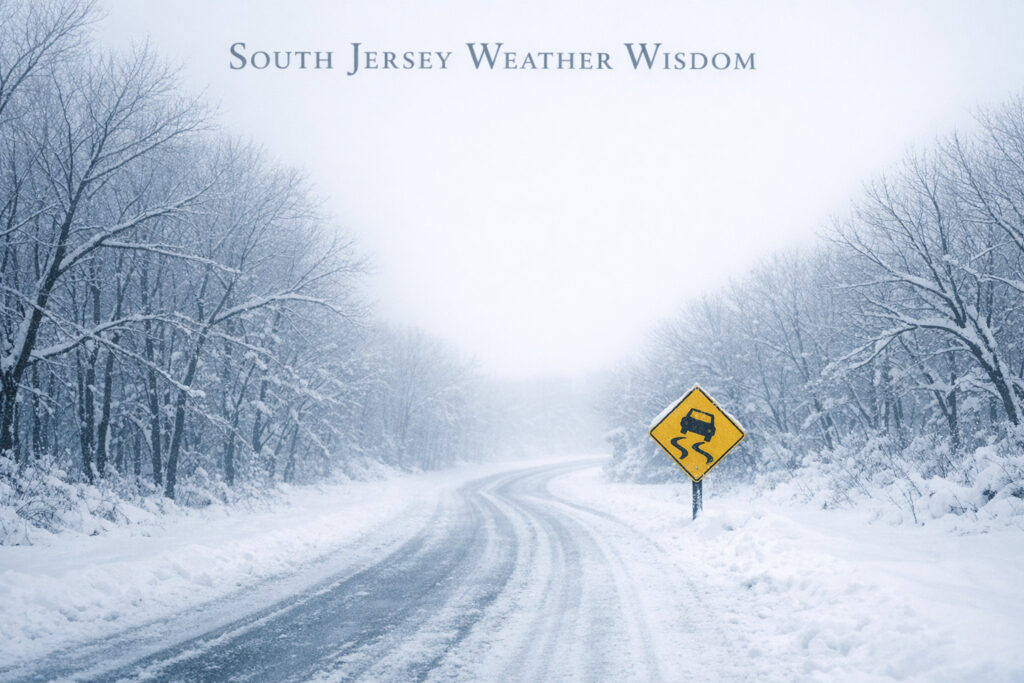
Driving in South Jersey presents unique challenges due to weather-related risks such as snow, flooding, and fog. These conditions can significantly impact road safety and increase the likelihood of accidents.
Snow, flooding and fog are common in South Jersey. Snow and ice conditions can lead to black ice on bridges and overpasses, reducing traction and increasing the risk of accidents. For those involved in such incidents, consulting South Jersey car accident lawyers can provide valuable insights into how these weather conditions might impact legal proceedings.
How Snow Impacts Driving Safety
Snowfall in South Jersey can create hazardous driving conditions:
- Accumulated snow can obscure road markings and make it difficult for drivers to maintain control of their vehicles.
- Black ice, often invisible to drivers, can form on roads and bridges, leading to unexpected skids and collisions.
. The reduced traction on untreated roads further increases the danger in winter conditions. Snow and ice also demand that drivers stay vigilant in areas prone to freezing temperatures.
Traditionally, safety depended on driver caution. Today, however, technology plays a larger role:
- Real-time weather apps provide hyperlocal storm tracking.
- GPS navigation systems reroute drivers around untreated roads.
- Advanced driver-assistance systems (ADAS) like traction control and electronic stability control help prevent skids.
- Smart tire pressure monitoring systems (TPMS) alert drivers to unsafe conditions.
Modern vehicles increasingly integrate automated braking systems and anti-lock brakes designed to maintain control during slippery conditions.
Snowstorms don’t just affect commuters because they also disrupt delivery networks, supply chains and service-based businesses.
Logistics companies now rely on:
- Predictive weather analytics
- AI-powered route optimization software
- Fleet telematics systems that monitor vehicle safety in real time
These tools help reduce delays and financial losses caused by winter weather disruptions.
Legal professionals handling personal injury cases must consider how snow-related factors contribute to accidents. Attorneys also investigate whether speeding despite slick conditions played a role in collisions.
Winter weather preparedness extends beyond individual driver caution to include proper vehicle maintenance and equipment. Drivers should ensure that:
- Their vehicles are equipped with appropriate winter tires that provide enhanced traction on snow and ice-covered surfaces.
- Proper tire pressure is maintained
- They’re checking antifreeze levels
- Emergency supplies are kept in the vehicle
This can make a significant difference in preventing accidents or surviving emergencies.
Dangers of High Water on the Road
Heavy rains can lead to standing water on roads, but drivers must remember that standing water can cause hydroplaning and lead to loss of control. Flooded roads may hide potholes or debris, posing additional hazards to drivers. These conditions require heightened awareness and careful navigation to avoid accidents.
Technology is increasingly being used to reduce these risks:
- Smart flood monitoring systems installed in some municipalities detect rising water levels.
- Connected traffic alerts warn drivers about road closures.
- Vehicle sensors in newer models can detect traction loss and adjust braking automatically.
Legal cases involving water-related accidents often hinge on whether drivers exercised reasonable judgment when encountering submerged roadways, and whether municipalities provided adequate warning signs or barriers to prevent access to dangerous areas.
Challenges of Low-Visibility Conditions
Fog can severely limit visibility, leading to difficulty seeing traffic signals or brake lights for many motorists. This reduced visibility can cause delayed reaction times and increase the likelihood of collisions.
Modern vehicles increasingly include adaptive headlights that adjust to visibility conditions, automatic emergency braking (AEB) and forward collision warnings. These systems are particularly valuable in low-visibility conditions where human perception is compromised.
Legal professionals must consider low-visibility conditions as a contributing factor in accidents. They should examine whether drivers took appropriate measures to ensure safety and if visibility warnings were in place.
Why This Matters for Drivers and Businesses
The weather in South Jersey will always be unpredictable, but how individuals and businesses respond is changing.
Technology is increasingly mitigating weather-related risks as businesses invest in predictive systems to protect operations. Smart infrastructure is also helping cities respond faster to severe conditions, with vehicle automation features reducing the impact of driver error.
A Reminder To Stay Vigilant
Snow flooding and fog are common in South Jersey and as it continues to face these weather-related risks, preparedness and awareness are the cornerstones of driving safety and legal success. Vehicles can stall or lose braking ability when drivers fail to maintain their vehicles properly in wet or icy situations.
Limited visibility of other vehicles often leads to dangerous merging maneuvers, demanding extra attention from all drivers. South Jersey’s weather challenges highlight how digital transformation is reshaping everyday transportation risks.
Snow, flooding, and fog may remain constants, but technology is steadily reducing their impact on safety and commerce.