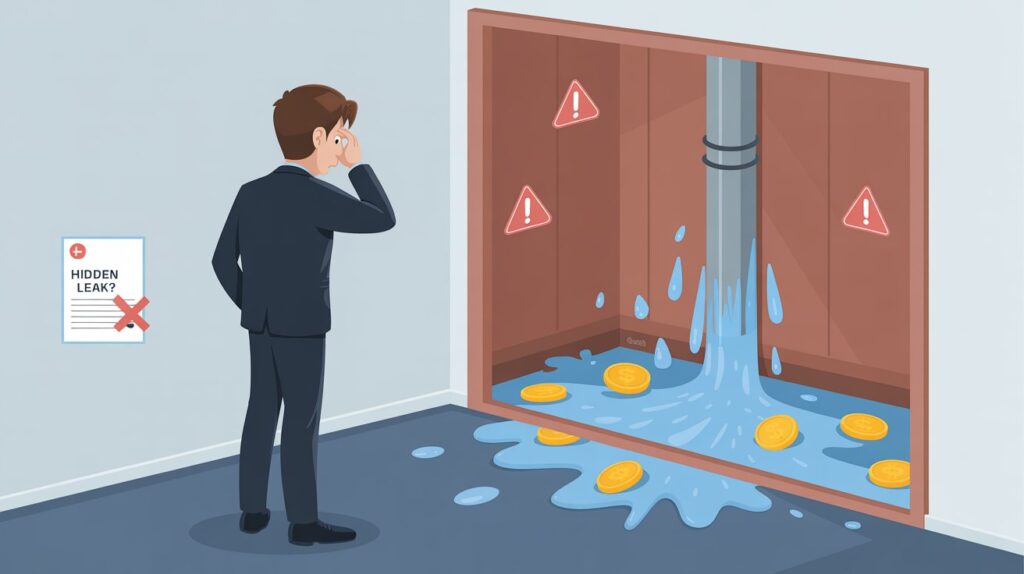
A slow drip behind a wall can quietly destroy a business long before anyone notices. Across Australia in 2026, many business owners are discovering a harsh reality when they lodge an insurance claim for water damage. The insurer refuses to pay.
The reason is often simple but devastating. The leak had been running too long. What looked like a sudden disaster is labelled “ gradual damage” instead. Repair bills can climb into the tens or hundreds of thousands of dollars, especially when flooring, electrical systems, and structural materials are affected.
With stricter policy conditions now common, understanding how insurers judge hidden leaks has become essential for protecting a commercial property.
The 48-Hour Rule: Why Timing Matters More Than Ever
Many commercial property owners assume insurance will cover water damage if a pipe bursts or a hidden leak appears. In 2026, that assumption is becoming risky.
A growing number of policies now include what brokers call the “48-hour rule.” If an insurer believes water has been leaking for more than two days before discovery, the damage may be classified as gradual deterioration rather than a sudden event. That single distinction can determine whether a claim is approved or rejected.
Insurers argue that undetected leaks indicate poor maintenance rather than an unexpected accident. From their perspective, the policy is designed to cover unforeseen incidents, not ongoing building issues. Unfortunately, leaks can develop in places that nobody regularly checks, such as ceiling cavities, behind commercial kitchens, inside walls, or beneath concrete floors.
By the time stains appear or flooring buckles, the damage may already be extensive. Once an assessor concludes the leak existed longer than 48 hours, coverage can disappear quickly.
Insurance Investigations Are Getting Smarter
When a business submits a water damage claim today, the investigation is far more technical than it used to be. Insurance assessors increasingly rely on building forensics to determine exactly how long a leak has been active.
Moisture mapping tools, thermal imaging cameras, and digital humidity sensors help investigators track the spread of water through walls, ceilings, and flooring. These tools can reveal patterns that suggest water has been leaking for weeks or even months.
If timber shows rot or mould growth, insurers may argue that the damage developed slowly over time rather than from a sudden incident. That conclusion can shift responsibility back onto the property owner. In some disputes, specialist building engineers are asked to prepare reports analysing pipe corrosion, changes in water pressure, and moisture migration through materials.
Those reports often become the deciding factor in whether a claim is paid.
Proving You Maintain Your Property
Because insurers are tightening their approach to water damage claims, businesses are starting to rethink how they manage plumbing risks. Prevention alone is no longer enough. Documentation now matters just as much.
Installing sensors and inspection systems that identify leaks early can help businesses demonstrate that reasonable maintenance steps were taken.
Investing in commercial water leak detection systems that monitor plumbing and alert on moisture or pressure changes is a smart risk-management decision. These systems are particularly valuable in large buildings where pipes run through ceilings, service shafts, and plant rooms that are rarely inspected.
Early warnings allow maintenance teams to respond quickly, often before structural damage occurs. Just as important, they create a record showing that the property is being actively monitored.
In insurance disputes, evidence of ongoing monitoring can support the argument that the leak was sudden rather than ignored.
For many businesses, this type of technology is quickly shifting from optional protection to essential risk management.
The Power of a Digital Paper Trail
Insurance policies increasingly reward businesses that can demonstrate consistent maintenance practices.
In practical terms, that means creating a clear record showing when inspections, plumbing checks, and preventative maintenance have taken place. Digital maintenance logs, sensor alerts, and contractor service reports now play an important role in how insurers assess claims.
These records help establish a timeline of responsible property management. Without them, insurers may argue there is no proof the building was regularly checked for problems.
A documented inspection history supports compliance with newer standards like the Australian Sustainability Reporting Standards (ASRS), which promote improved monitoring of building risks and infrastructure performance.
Businesses that keep digital records of maintenance activities are often in a stronger position during insurance audits. The goal is simple. Show evidence that leaks are actively monitored and addressed quickly. That documentation can be the difference between an approved claim and a costly dispute.
–
Hidden water leaks have quietly become one of the biggest insurance risks facing Australian businesses. As policies tighten and investigations become more technical, proving proper maintenance is now critical.
Businesses that monitor plumbing systems, keep detailed records, and respond quickly to warning signs place themselves in a far stronger position when claims arise. In today’s insurance environment, the difference between coverage and rejection often comes down to evidence, timing, and preparation.