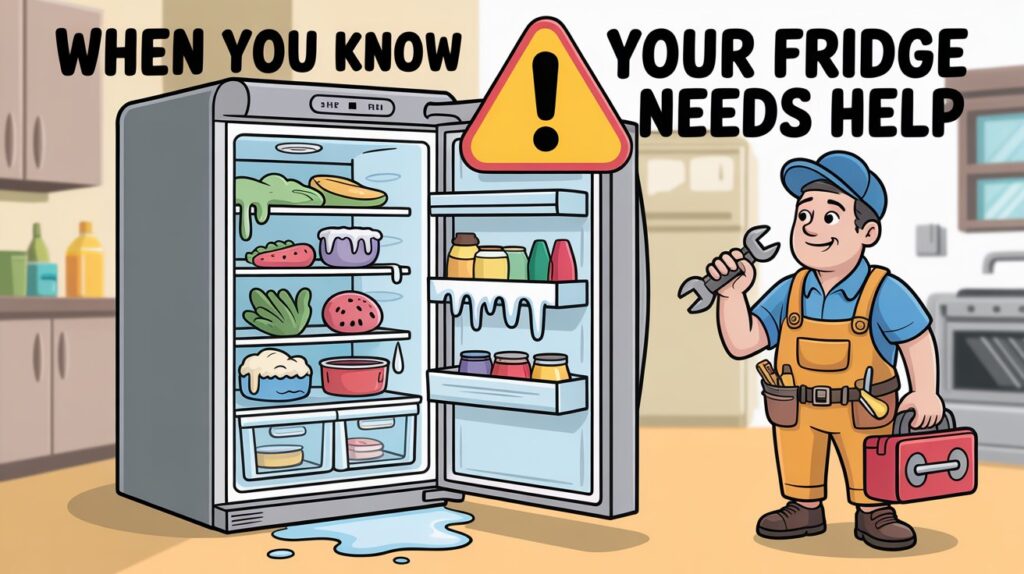
Your Sub-Zero has been sitting there in the kitchen, doing its job without complaint for years. The butter stays soft enough to spread, the vegetables stay crisp, and the ice cubes come out clear. Then one random morning you pull open the door and something just feels wrong. The milk is a little too warm. Or you catch a low hum that wasn’t there yesterday. At first you shrug it off—after all, these things are built like tanks. But Sub-Zero refrigerators aren’t like the basic models most of us grew up with. They’re precision machines with two separate compressors, multiple temperature zones, and a sealed system that’s a lot more sensitive than it looks. Let a small problem slide and you can turn a quick fix into a repair bill that hurts, or worse, watch your food go bad while water sneaks behind the cabinets and ruins the floor.
Sub-Zero units cost real money—eight thousand dollars and up is common, and some built-in models push well past fifteen. People buy them because they perform like commercial equipment and disappear into custom cabinetry. That same engineering, though, makes them trickier to service. One compressor handles the fridge side, another the freezer, so a failure in one doesn’t always show up in the other right away. Throw in electronic controls, variable-speed fans, and finicky sensors, and you realize pretty fast that not every glitch can be fixed with a reset or a new bulb. While basic maintenance can take care of minor stuff, the more stubborn or complicated issues on these high-end units almost always require specialized sub zero repair to keep everything running right and avoid bigger headaches down the road.
I put this guide together to help you tell the difference between a hiccup and something that needs a pro. We’ll cover the usual warning signs, what they typically mean, and a straightforward way to decide what to do next. You’ll also get a handful of safe things you can try yourself before you call anyone.
Why Sub-Zero Refrigerators Run Into These Problems
Sub-Zero builds its refrigerators differently on purpose. Most ordinary fridges use one compressor to cool both the fresh-food and freezer sections through the same evaporator. Sub-Zero splits them: separate compressors, separate evaporators, separate fans. It keeps temperatures steadier and stops smells from traveling between compartments, but it also means twice as many parts that can eventually wear out.
Because the units are built into cabinetry, the condenser coils often sit in tighter spaces with less airflow. Dust and pet hair pile up quicker than you’d expect, especially if the toe-kick grille rarely gets cleaned. Power surges or brownouts—common in older houses or during summer storms—can stress the control boards. Busy households with lots of door openings put extra strain on gaskets and ice makers. And after fifteen or twenty years, even the best appliances start showing their age in seals, sensors, and compressors.
Spotting trouble early makes a real difference. A dirty condenser fan might only bump your electric bill by twenty or thirty bucks a month at the start. Leave it and the compressor runs hotter and longer until it finally gives out. That repair can easily hit fifteen hundred dollars. If the sealed system springs a leak, you’re looking at refrigerant loss and possibly a ruined compressor. Taking care of things while they’re still small almost always saves money in the long run.
The Warning Signs That Mean It’s Time to Call a Technician
Temperature Issues
Temperature problems are usually the first thing people notice. If the fridge side creeps above forty degrees or the freezer gets warmer than zero, food safety is suddenly on the line. Greens wilt in a couple of days instead of lasting a week. Ice cream starts to feel gritty. Sometimes only one side is off—the fridge stays cold while the freezer struggles, or the other way around. That almost always points to one of the independent compressors or something tied to it.
You might also see the temperature bouncing around. The unit cycles more than it should, yet things still aren’t holding steady. Milk near the back freezes while stuff on the door stays lukewarm. Patterns like that don’t usually sort themselves out.
Strange Noises
A healthy Sub-Zero is nearly silent. You might hear a soft whoosh when the compressor starts, but that’s about it. Anything new is worth paying attention to. A rhythmic clicking every few minutes often means the compressor is struggling to start. A steady hum or buzz can come from a condenser fan motor on its way out. Grinding or rattling inside usually traces back to an evaporator fan. Vibrations that shake the cabinets suggest the unit is no longer level or something inside is out of balance.
Notice when the noise happens. Right after you close the door? Could be the ice maker or water valve. Going on for hours at a stretch? More likely a bigger mechanical issue.
Too Much Frost or Ice
Sub-Zero has an automatic defrost cycle, so a little frost on the coils behind the panel is normal. Thick frost on the walls, around the vents, or clinging to food packages is not. You might find ice on the freezer floor or water dripping from the ceiling when the defrost heater stops working. Sometimes the drain line freezes and water backs up. This isn’t a simple wipe-down; the defrost system, heater, or a thermistor has usually failed and needs proper diagnosis.
Water Leaks
Any water inside the unit or on the floor in front needs immediate attention. It could be a clogged defrost drain, a cracked water line to the ice maker, or a failing valve. Since Sub-Zero is built in, water can slip behind the cabinets and damage hardwood, subfloor, or the panels themselves. A small puddle today can become an expensive flooring job tomorrow.
Error Codes and Service Lights
Newer models flash error codes on the panel or in the Sub-Zero app. A few of the ones you’ll see most often:
- EC 05 or EC 06: temperature sensor problem
- EC 20 or EC 24: defrost issue
- EC 40 or EC 50: compressor running too long
- Red triangle or “Service Required”: general alert
Even if the fridge is still cooling, these codes are there for a reason. They rarely clear by themselves.
Other Clues
Your electric bill creeping up with no change in habits is another hint. The unit running nonstop or coils that feel hot to the touch both mean the system is straining. Ice that tastes flat or has dark specks usually means the water filter is overdue or the ice maker is failing. A warm draft when you open the door points to worn gaskets.
Here’s a simple table of the signs that show up most often:
| Sign | What it usually means | How urgent? |
|---|---|---|
| Temperature swinging | Dirty coils, bad sensor, low refrigerant | High |
| New noises | Fan or compressor trouble | Medium-High |
| Heavy frost | Defrost heater or timer failing | Medium |
| Water on the floor | Clogged drain, cracked line | High |
| Error code EC 50 | Compressor overworking | High |
| Higher electric bill | Poor airflow or failing part | Medium |
Simple Checks You Can Do Yourself
Before you reach for the phone, try a couple of easy steps. Unplug the refrigerator for a full two minutes, then plug it back in. That resets the controls and sometimes knocks out a temporary glitch. Check the door gaskets: close a dollar bill in the door—if it slides out easily, the seal is shot.
Every three to six months, pull off the bottom grille and vacuum the condenser coils. Use a soft brush attachment so you don’t bend the fins. Make sure nothing blocks the air around the toe-kick. Check that the unit sits level; a slight tilt can make doors sag and let cold air escape.
Don’t overpack the shelves—blocked airflow forces the compressors to work harder. If the ice maker quits, confirm the water line is open and the filter isn’t clogged. Change the filter every six months whether it needs it or not.
There are some things you should never tackle at home: anything inside the sealed refrigeration system, refrigerant lines, the compressors, or the wiring behind the panels. Those jobs require certification and special tools. Mistakes there can void the warranty and create safety risks.
If the problem sticks around after these checks, it’s time to stop guessing.
When DIY Stops and Professional Help Starts
Some situations have no home fix. Anything involving the sealed system—low refrigerant, a leak, compressor failure—needs a tech with the right gauges and training. Replacing a control board is another job for a pro; the boards are specific to each model and have to be programmed correctly. If the unit is still under warranty, an unauthorized repair can wipe out the coverage completely.
Even after the warranty ends, calling a qualified service often makes financial sense. A new Sub-Zero can run ten thousand dollars once you factor in installation and cabinet work. A good repair with factory parts can easily add another ten years of life. Technicians who handle these units every day know the quirks of each model year. They show up with the right thermistors, fan motors, and defrost heaters, so the job gets finished in one visit instead of dragging on.
Picking the Right Repair Service
Not every repair shop is ready for Sub-Zero work. Look for techs who are factory-trained or authorized. They have access to service bulletins, special diagnostic tools, and a reliable supply of genuine parts. Ask how long they’ve been working on the brand and whether they carry common components on the truck. A solid company will give you a clear diagnosis fee and a written estimate before they start.
Check recent reviews that mention your exact model. A good tech explains things in plain language and walks you through the options instead of steering you toward the priciest fix. Many services also offer yearly maintenance plans that include coil cleaning and gasket checks—simple steps that prevent a lot of future trouble.
Wrapping It Up
Sub-Zero refrigerators are built to last decades, but they’re not immortal. The line between a minor annoyance and a costly breakdown is usually just a matter of timing. Watch for temperature shifts, odd noises, frost, leaks, or error codes. Run through the quick checks I mentioned. If nothing improves quickly, get a technician involved. Acting early protects your food, your floors, your budget, and the money you already put into a top-tier appliance.
Keep up with regular maintenance—vacuum those coils, swap filters on schedule, and try not to stand there with the door open. But when something feels off, trust your gut. These machines deserve attention from people who actually understand how they work.
A Few Common Questions
How much should I expect to pay for a Sub-Zero repair?
A straightforward fan or sensor swap usually lands between four and eight hundred dollars. Compressor or sealed-system work can run fifteen hundred to twenty-five hundred. Those numbers include parts and labor; the final price depends on your model and where you live.
Can I keep using the fridge if it’s not cold enough?
For a short time, sure, but don’t push it. Move anything perishable to a cooler with ice if the temperature stays above forty degrees for more than a couple of hours.
How often do the condenser coils really need cleaning?
Every three to six months, or more if you have pets or live in a dusty place. It takes about ten minutes and stops a surprising number of problems before they start.
Is it worth fixing an older Sub-Zero?
In most cases, yes—especially if the repair cost is less than half what a new comparable model would run. Plenty of owners are still using units well into their twenties with occasional professional service.
If your Sub-Zero is giving you any of the signals we talked about, don’t wait it out. One call to a certified tech can save you a lot more than it costs. Your kitchen—and your peace of mind—will be better for it.