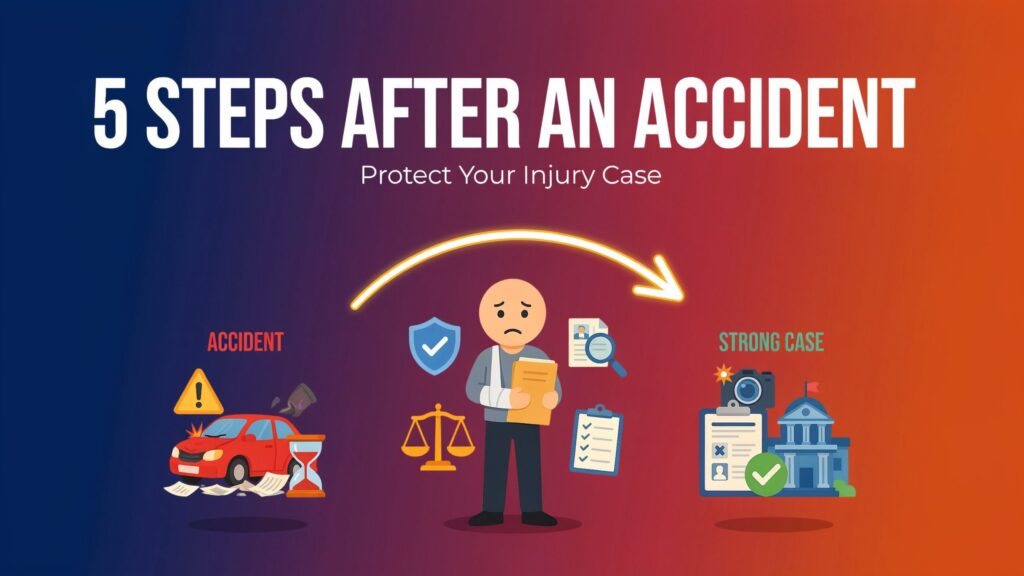
The first choices made after an accident can leave a lasting impact on everything that follows. Small actions that seem unimportant at the beginning may later affect records, insurance discussions, and the overall direction of a claim.
A strong start often depends on being careful, organized, and understanding the information that needs to be preserved. The early stage after an accident is often filled with paperwork and important decisions that require attention.
Taking the right approach can protect the strength of a personal injury case and help create a clearer path through the challenges that may appear later.
5 Early Actions That Can Influence Your Case
1. Seek Medical Attention and Keep Treatment Records
Medical records are one of the most important parts of documenting an injury after an accident. Receiving proper medical care creates a record of the condition, recommended treatments, and the progress of recovery.
Keeping copies of bills, medical reports, and appointment records can help maintain an accurate timeline of events and show the impact of the injuries involved.
2. Preserve All Available Evidence
Evidence can disappear quickly after an accident. Photographs of the scene, damaged property, contact information of witnesses, and official reports can provide important details about what happened.
Organizing this information in one place can make it easier to review the facts connected to the accident and prevent important details from being lost over time.
3. Be Careful With Statements and Documentation
The words used in conversations, written reports, and insurance communications can become part of the records connected to an accident. Providing accurate information and maintaining copies of all documents can prevent unnecessary confusion later.
Careful documentation also helps maintain consistency between different records and communications throughout the process.
4. Understand the Importance of Timely Action
Waiting too long to collect information or organize records may create additional difficulties. Witness memories may change, physical evidence may become harder to locate, and important documents may not be as easily available.
Learning the basics of personal injury law can also help people recognize why early preparation, accurate records, and careful attention to details are important during the initial stages of an accident-related matter.
5. Keep Track of Accident-Related Expenses
An accident may create many financial concerns beyond immediate repairs or medical appointments. Transportation costs, property damage expenses, and other records connected to the accident should be maintained carefully.
Having organized financial records provides a clearer understanding of the losses connected to the situation and creates a complete record of expenses.
Factors That Can Affect the Direction of an Injury Claim
Every accident involves different circumstances, and several factors may influence how a claim develops. The quality of available evidence, the accuracy of records, the seriousness of the injuries, and the communication between involved parties can all play a role.
The timing of actions taken after the accident also matters. Delays in collecting evidence or maintaining documentation may make certain details more difficult to review. A well-organized approach can help preserve information that may become valuable during insurance discussions or other claim-related procedures.
Another important factor is consistency. Medical records, accident reports, witness information, and other documents should present a clear picture of the events surrounding the accident. Conflicting details or missing records can create unnecessary complications.
The Role of Accurate Records Throughout the Process
Accurate records can make a major difference in how an accident-related matter is reviewed over time. Many people focus only on the first few days after an incident, but maintaining organized information throughout the entire process is equally important. Medical updates, repair estimates, photographs, receipts, and written communication can help create a complete timeline of events.
Keeping these records organized also reduces confusion and makes it easier to understand how the situation has developed from the beginning. Missing documents or incomplete information may create unnecessary challenges during insurance discussions and other procedures connected to an accident.
A consistent record of events allows all available information to be reviewed more clearly. Even small details, such as dates of appointments, expenses, or changes in medical conditions, may become valuable pieces of documentation as the matter moves forward.
Building a Strong Foundation Through Early Choices
The path following an accident is shaped by the decisions made during the earliest stages of the process. Paying attention to medical records, preserving evidence, keeping financial documents, and maintaining accurate communication can make a significant difference in handling accident-related matters.
Every personal injury situation has its own facts and challenges, but careful preparation allows individuals to address those circumstances with greater confidence. The decisions made at the beginning of a claim may not seem significant at first, but they can influence the information available, the understanding of damages, and the overall progress of a personal injury case.