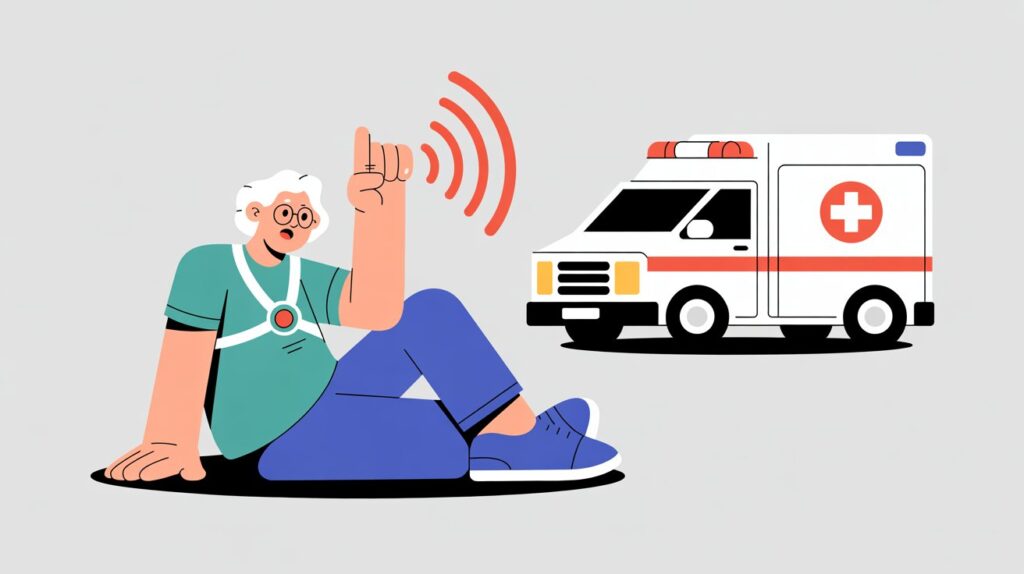
Emergencies often occur without warning. One moment, someone is fine; next, they slip, feel dizzy, or experience a sudden health issue. For seniors in Canada, this is a real risk and falls are a leading cause of hospitalisation.
A quick response is critical in emergencies; delays can worsen the condition. In medical emergencies, this window is called golden hour — the first 60 minutes after a traumatic injury or critical medical event. Whether it’s a fall, heart attack, or stroke, prompt medical intervention drastically improves outcomes.
This is why having a medical care alert device is important. Medical alert devices are designed for such moments -they reduce response times through features like GPS tracking, fall detection, and two-way communication that connects users directly to trained responders.
But how do these systems really improve response time? Here’s how.
1. Quick Alerts
In an emergency, even simple tasks like dialing a phone can be challenging, let alone finding a phone or a contact for help. Medical alert devices simplify this with an easy-to-use interface – a single, easy-to-press button. When pressed, it immediately connects the user to a monitoring center.
Most providers aim to respond as quickly as possible. But not all providers are equal — considering reliability when choosing a provider makes a difference here. Reputable ones with reliable medical care alert devices in Canada ensures that help is dispatched without unnecessary delay. A trained operator usually assesses the situation quickly before dispatching the right help.
2. 24/7 Monitoring
Emergencies can occur anytime — in the morning or in the dead of night. Users who stay alone sometimes can be vulnerable when no one is around to offer help. Medical alert devices bridge this gap, ensuring users’ safety around the clock.
The devices are connected to monitoring centres that operate 24/7. Professionals trained to handle emergencies are always ready to jump in when the button is triggered or a fall is detected. They quickly assess the situation, ask the right questions, and coordinate help immediately, reducing response time.
3. Two-Way Voice Communication
Smooth communication is everything in an emergency. Delays can occur when misunderstandings occur between the user and the responders. With two-way voice communication through a sensitive microphone and loudspeakers. Modern devices allow users to speak directly with an operator through the device without needing to access a separate phone.
This real-time interaction allows operators to assess the situation and gather key details quickly. Based on this information, they coordinate the right support. In some cases, the connection remains active after dispatch, allowing continued communication until help arrives.
4. Fall Detection
Some falls may be serious leaving the user unable to press a button. Devices with automatic fall detection capability use sensors to monitor the users movement throughout. The collective data from different users allows them to distinguish between falls and normal movements or accidental drops.
When a fall is detected, the system automatically alerts the monitoring centre. This shifts from relying on the user to manually trigger an alert or waiting until someone shows up, resulting in a delayed response. As a result, the time between the fall and the alert being sent may be shortened.
5. GPS Tracking
Knowing there is an emergency is one thing, but identifying the exact location to send help can be another challenge. Mobile medical alert systems use GPS tracking, allowing operators to quickly locate the user’s exact location in real time.
For users who spend most of their time outside and often get disoriented, this feature is helpful. It ensures they are always protected, allowing them to maintain their active and social lifestyle.
Without location data, responders may need additional time to find the user. And in such situation every second counts. GPS tracking reduces unnecessary delay by providing accurate location information. This allows emergency services to be dispatched more efficiently.
6. Wide Coverage
Emergencies can occur anywhere, from the bathroom and backyard to out-of-state locations. Home-based systems typically cover most areas of a home and nearby outdoor spaces.
Devices that use cellular coverage paired with GPS extend coverage beyond the home. This allows alerts and respond to happen even when far from home.
Mobile network connectivity, alongside the provider’s broader coverage, eliminates connection gaps that can delay alert transmission. This ensures that help arrives early wherever the user is.
7. Waterproof Design
Some places we visit daily, such as the bathroom, can turn out to be the most dangerous, especially for seniors. Bathrooms and other wet places with slippery surfaces increase the risk of falls. To ensure users stay protected even in these areas, medical alert devices are designed to be water-resistant or waterproof.
So even when it’s raining or in the shower, users don’t need to remove them. Keeping the device on in these situations maintains continuous access to help and reduces the risk of delays when the device is out of reach.
Conclusion
In medical emergencies, a short response time can significantly improve outcomes, particularly for older adults. Delays in response due to miscommunication or difficulty locating the individual can worsen the situation.
Medical alert devices are designed to reduce these delays through features such as one-button activation, 24/7 monitoring, fall detection, waterproof design, wide coverage, and location tracking. This makes it easy the user to ask for help, or the device to accurately identify an emergency and send the right assistance.
By reducing the time between an incident and response, such systems can support faster coordination of emergency services.