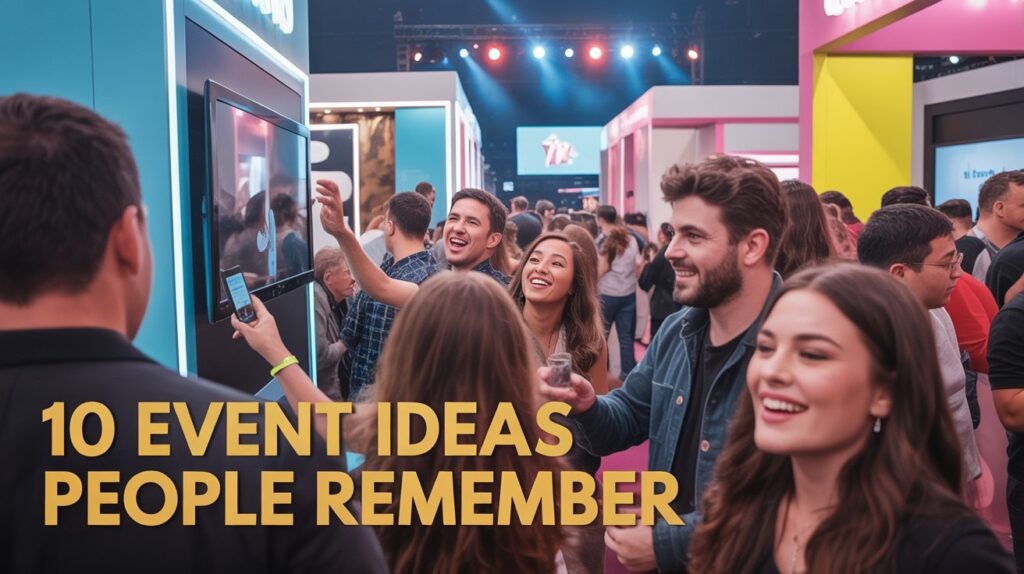
A live brand activation event fosters unforgettable experiences that establish enduring connections between participants and brands. Innovation generates engagement, and brands gain advantages by embracing new ideas. People are now looking for more than basic product displays; they want an immersive, interactive experience that leaves a lasting impression. Here is a list of ten original ideas to create in-person activations that stay with people.
Top 10 Innovative Ideas for Activation
In-person brand activation events add more value to a brand’s recognition and recall than most companies recognize. But the catch is that the ideas must be accurate and unique. If you want to plan your first event, here is a list of ideas that you can use in your next event.
1. Interactive Product Demonstrations
Hands-on activity can generate excitement among attendees. Instead of a passive showcase, encourage visitors to set up the products themselves. Encouraging guests’ questions and turnarounds is all possible by letting them explore the feature firsthand. It also fosters trust, because people can actually see the results. These demonstrations often initiate impromptu dialogues, which enrich the entire experience.
2. Pop-Up Experiences
Themed installations that are up only for a limited time can incite excitement. Temporary pop-ups strategically located in high-traffic areas attract visitors due to their curiosity. These pop-ups can have special decor and other temporarily available features. This concept encourages visitors to post online and share their experiences, expanding the reach of the event. The fear of missing out encourages people to take action before it is too late.
3. Immersive Technology Integration
Virtual or augmented reality brings a futuristic appeal to events. Immersive environments introduce people to new and relevant experiences. Examples include virtual tours or simulations that help participants envision the advantages of the product. These experiences leave a lasting impression, making them memorable in relation to the brand. Technology drives some of these elements, which may appeal to younger audiences seeking novel experiences.
4. Creative Workshops
Workshops encourage hands-on learning, which in turn ignites creativity. Encourage participants to craft something that embodies the brand’s values. Whether through art, culinary creations, or design, the focus is on meaningful engagement and collaboration. Additionally, give a small token to the participants as a reminder of the experience. These sessions also act as a social hub, creating a community feel among members.
5. Live Entertainment
Music, games, performances, or any other interactive elements will always add energy to any event. Live performances draw focus and maintain a buzz in the environment. Performers can customize their routines with core values and aim to convey an essential message through their acts. This type of activation event makes sure that the audience associates with the brand positively and remembers dynamic events better. Entertainment aspects usually keep humans around longer.
6. Personalized Experiences
Personalized interactions ensure guests feel valued. Utilize digital tools or basic surveys to tailor experiences in accordance with individual preferences. Gifts, messages, or services that are personalized contribute to emotional connections. Consumers love to find brands that see them as individuals. These are the little things that spark loyalty and referral.
7. Social Media Integration
Social sharing increases brand reach and success. Arrange photo booths or branded areas for immediate gatherings. Create a one-of-a-kind hashtag for the event to find posts and engage virtually with the participants. Sharing on social media expands the event’s reach beyond a physical location. The online buzz increases the event’s visibility and draws participants to future editions.
8. Sensory Engagement
To make a lasting impression, you need to engage all five senses. Use unique smells, touches, sounds, and flavors when you design the event. The use of scent, such as scented environments, or multisensory stimulation of the experience, like interactive tasting stations, are some of the common examples. Sensory features allow guests to associate pleasant emotions with the brand. Things that use the other senses stick around a lot longer than graphics do.
9. Cause-Driven Activities
Purposeful co-branding can foster emotional bonds. Give visitors the opportunity to participate in any community-based project or charitable endeavor. Try things like inviting people to add their own mark to a community painting for a cause. Acts of goodwill create goodwill and association via intention. Users love to support brands with a hopeful & aspiring future, wanting to help society.
10. Storytelling Spaces
Designate spaces for storytelling insights that reflect brand values. Convey messages that have significance through displays, videos, or live speakers. As for storytelling, your event encourages emotional resonance and allows guests to connect with the meaning behind the brand. If the visit inspires the visitor, they will remember all the positive experiences for a long time. A good story will inspire guests to communicate with others about their experiences.
Conclusion
Designing in-person brand activation events requires creativity and strategic planning. By incorporating these innovative ideas, brands can foster genuine connections with participants. Each concept encourages guests to engage, interact, and remember the encounter long after the event ends. Brands that invest in meaningful face-to-face experiences often enjoy stronger loyalty and positive word-of-mouth. In-person activations remain an effective way to leave a lasting impression and strengthen relationships with audiences.